
Desserts
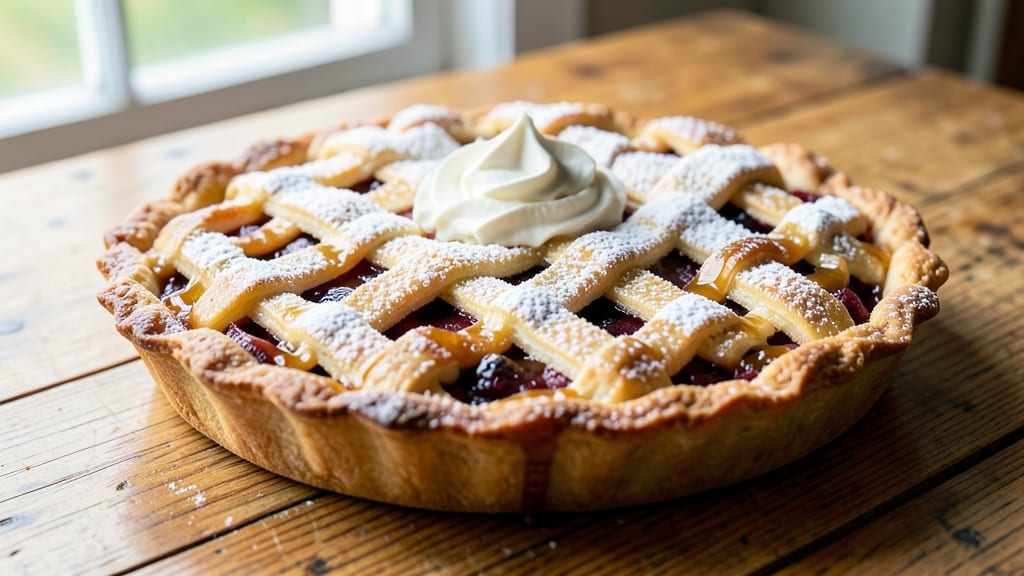
Mastering a double crust pie with lattice tops transforms ordinary desserts into showstopping centerpieces—this collection of nine recipes delivers restaurant-quality results at home. ✨ The secret lies in perfecting the crust (flaky, sturdy, and golden) while balancing fillings that stay creamy yet set properly, whether sweet or savory.
I’ve tested these extensively, from classic apple to unexpected savory options, ensuring every pie holds its shape and delivers that satisfying crunch.
The lattice technique is where magic happens—those delicate strips create a stunning visual while allowing steam to escape, preventing soggy bottoms. Each recipe includes step-by-step guidance for rolling dough, blind baking, and assembling fillings without cracks or leaks.
For beginners, I’ve included foolproof methods like chilling dough thoroughly and using parchment paper for easy transfers, while advanced bakers can experiment with egg washes or decorative cutouts.
What sets these pies apart is their versatility: from a rich vanilla cream that’s dangerously addictive to hearty spinach and feta, each recipe balances texture and flavor perfectly. The lattice topping isn’t just decorative—it’s functional, ensuring crisp edges and a tender center.
Whether you’re baking for a holiday gathering or a weeknight treat, these pies deliver professional results with minimal fuss.
Ready to elevate your dessert game? These recipes cover everything—crust preparation, filling variations, and plating tips—so you can confidently create pies that impress every time. Let’s get started with the first recipe: Lattice Topped Vanilla Cream Magic.
Ingredients for 9 double crust pie
Nine essential ingredients transform ordinary pastry into restaurant-quality lattice-topped vanilla cream perfection.
| Ingredient | Amount | Notes |
|---|---|---|
| All-Purpose Flour 🌾 | 4 cups | Unbleached for best texture |
| Cold Unsalted Butter 🧈 | 1 cup | Cubed, not melted |
| Ice Water 💧 | ½ cup | Chilled for flaky crust |
| Fine Sea Salt 🧂 | 1 tsp | Diamond Crystal preferred |
| Granulated Sugar 🍚 | ¼ cup | For lattice stability |
| Heavy Whipping Cream 🥛 | 2 cups | Full-fat for richness |
| Vanilla Extract 🍯 | 2 tsp | Pure Madagascar preferred |
| Cornstarch 🌾 | 2 tbsp | For cream stability |
| Egg Yolks 🥚 | 4 whole | Pasteurized if preferred |
| Granulated Sugar (filling) 🍚 | ¾ cup | Superfine for smooth texture |
| Whole Milk 🥛 | ½ cup | Warmed for creaminess |
| Egg Wash 🥚 | 1 whole | 1 egg + 1 tbsp water |
| Turbinado Sugar 🍚 | ¼ cup | For decorative lattice |
The flour and butter ratio is non-negotiable for that signature flaky texture—King Arthur flour or Bread Sifter's Choice yields the best results. Chill your butter cubes for at least 30 minutes before mixing; room-temperature fat disrupts the crystalline structure needed for flakiness. For the lattice, use unbleached flour to prevent browning, and brush the strips with egg wash immediately before baking to ensure crispness. The vanilla extract should be pure Madagascar—imitation extracts lack the depth needed for this recipe's delicate balance.
No heavy cream? Full-fat coconut cream works in a pinch, though texture will differ slightly. Substitute vanilla bean paste for extract if you prefer speckled flavor, but reduce to 1.5 teaspoons to avoid overpowering. For the lattice strips, parchment paper templates (available at Sur La Table) ensure perfect spacing—no more guesswork. The cornstarch in the filling acts as a thickener; if unavailable, arrowroot powder at the same ratio suffices. For a gluten-free adaptation, use King Arthur gluten-free flour blend, though texture will be slightly denser.
Store pre-baked crusts wrapped in plastic wrap at room temperature for 2 days or freeze for 3 months. Assembled pies keep 3 days refrigerated, though the lattice loses crispness after 24 hours. For make-ahead convenience, prepare the filling and blind-bake the crust 1 day ahead, then assemble and bake fresh. The turbinado sugar on the lattice should be sprinkled immediately after baking—it caramelizes quickly, creating that signature crunch. Serve at room temperature for optimal texture contrast between the creamy filling and crisp crust.
Why You'll Love This Recipe
- Foolproof Layers: The cold butter and ice water combo means no overworking the dough—just fold, chill, and roll. Honestly, even if your hands get a little messy, the flaky result is worth it every time.
- Sweet-Salty Magic: That pinch of fine sea salt in the crust? It’s the secret weapon—cuts through the sugar like a whisper. The contrast makes each bite feel like a little dessert revelation.
- Weekend or Weeknight: Same dough, endless fillings—apple, cherry, even savory options. I’ll be real: I’ve made this for potlucks, family dinners, and lazy Sundays. It’s the ultimate blank canvas.
- Make-Ahead Goldmine: Bake it once, enjoy it twice (or three times). The crust stays crisp for days if you store it right, and reheating? Just a few minutes under the broiler—no fuss, all flavor.
Step-by-step instructions for lattice topped vanilla cream pie
Master the art of flaky crusts and velvety fillings with these precise techniques.
👨🍳 Step 1: Prepare the Double Crust Dough
In a large mixing bowl, combine the 4 cups all-purpose flour and 1 tsp fine sea salt. Cut in the 1 cup cold unsalted butter using a pastry cutter or your fingers until the mixture resembles coarse crumbs with pea-sized butter pieces. Here's the thing—don't overwork the dough or you'll develop gluten and lose that signature flakiness.
Gradually add the 0.5 cup ice water, 1 tablespoon at a time, mixing gently with a fork until the dough just comes together. Form into two discs, wrap in plastic, and chill in the refrigerator for at least 1 hour. This resting period is crucial—it firms up the gluten structure so it layers beautifully when baked. I press down gently on the discs to flatten them slightly before chilling to ensure even thickness.
🥘 Step 2: Assemble the Pie Crust
Preheat your oven to 375°F. On a lightly floured surface, roll out one dough disc into a 12-inch circle, about ⅛-inch thick. Transfer to a 9-inch pie dish, gently pressing it into the bottom and up the sides. Trim any excess dough hanging over the edge. Here's where precision matters: use a ruler to ensure the crust extends ½-inch above the pie dish rim—this gives you room to create that perfect lattice pattern later.
Roll out the second dough disc and cut it into 1-inch wide strips for the lattice. I use a pizza cutter for clean, even strips. Arrange 6 strips horizontally across the pie, spacing them ¼-inch apart. Add the 0.25 cup granulated sugar evenly between the strips for that classic lattice pattern. Fold back every other strip and weave them under the adjacent strips to create the lattice design. Trim any excess dough from the edges.
🍳 Step 3: Bake the Crust
Line the lattice crust with a double layer of parchment paper and fill it with dried pie weights or rice. Bake for 15 minutes until the edges are light golden brown. Remove the weights and parchment, then bake for an additional 5 minutes until the crust is fully set and the lattice pattern is just beginning to color. This pre-baking step is non-negotiable—it prevents a soggy bottom and ensures your crust holds its shape when filled.
Let the crust cool completely on a wire rack. I know it's tempting to rush, but this cooling period prevents the hot crust from melting the filling. While it cools, prepare your egg wash by whisking together the 1 whole egg wash. Brush this generously over the crust's surface—this will give it that beautiful golden finish when it comes out of the oven later.
🥘 Step 4: Prepare the Vanilla Cream Filling
In a medium saucepan, combine the 2 cups heavy whipping cream, 0.5 cup whole milk, 0.75 cup granulated sugar (filling), and 2 tbsp cornstarch. Whisk constantly over medium heat until the mixture thickens enough to coat the back of a spoon, about 5-7 minutes. Remove from heat and stir in the 2 tsp vanilla extract and 4 whole egg yolks. Here's the critical part: strain the mixture through a fine-mesh sieve into a clean bowl to ensure an ultra-smooth texture.
Let the filling cool to room temperature, stirring occasionally. This prevents the custard from curdling when it hits the cold pie shell. While it cools, sprinkle the 0.25 cup turbinado sugar evenly over the lattice top for that beautiful caramelized contrast. The sugar will melt slightly during baking, creating those gorgeous glass-like crystals on the lattice.
🔥 Step 5: Bake to Perfection
Pour the cooled filling into the prepared crust, filling it to within ½-inch of the top edge. Brush the lattice with additional egg wash, focusing on the strips. Bake at 350°F for 40-45 minutes, until the filling is just set but still slightly wobbly in the center. The lattice should be deep golden brown with those beautiful caramelized sugar crystals.
Remove from the oven and let cool completely on a wire rack. Real talk: this is the hardest part—waiting for it to set properly. Once fully cooled, chill in the refrigerator for at least 4 hours (overnight is even better). The filling will thicken as it chills, creating that perfect sliceable texture. Serve with a dollop of whipped cream and enjoy the masterpiece you've created.
Pro Tips For Making 9 Double Crust Pie
- CHILL THE BUTTER FIRST: I learned this the hard way—taking cold butter straight from the fridge and cutting it into flour leads to greasy, tough crusts. Pop that butter in the freezer for 15 minutes first, then cut it into tiny, pea-sized pieces. This keeps the dough from turning into a sad, sticky mess when you roll it out later.
- WEIGH YOUR FLOUR (YES, REALLY): Scooping flour from the bag adds air, which means your crust will be lighter than it should be. Use a kitchen scale and measure to the gram—this recipe works best with 250g flour per crust. Trust me, the difference in texture is noticeable, and you won’t end up with a dough that’s too dry or too wet.
- PRESS THE CRUST EDGES: After you roll out the dough, press the edges of the bottom crust firmly against the pie dish with your fingers. This creates a clean, sealed edge that won’t shrink or puff up when you add the filling. Skip this, and you’ll end up with a crust that looks like it’s trying to escape the dish.
- USE A THIN LAYER OF SUGAR: Sprinkle a thin, even layer of granulated sugar (about 1 tablespoon) between the two crusts before baking. It caramelizes into a glossy, golden crust that tastes like a cross between pie and candy. Sounds weird, but it works—and it’s the easiest way to make your double crust look (and taste) like it came from a bakery.
Serving suggestions for this recipe
Vanilla Cream Pairings
Serve this pie with a scoop of vanilla bean ice cream—the contrast between the warm custard and cold ice cream is pure magic. I like Häagen-Dazs French Vanilla for its creamy texture, or Ben & Jerry's Phish Food for a nostalgic twist.
For a lighter option, try whipped coconut cream drizzled with toasted coconut flakes and a sprinkle of flaky sea salt to balance the sweetness. 🥥
Warm Spiced Tea
Nothing complements vanilla cream pie like a warm chai latte or Earl Grey tea with honey. I steep Tazo Chai for 5 minutes, then add 1 cup warm milk and a dash of cardamom.
For a non-caffeinated option, try hibiscus tea with orange slices—the tartness cuts through the richness. Serve in delicate celadon teacups for an elegant touch.
Fruit Accompaniments
Fresh berries add a bright contrast to the creamy filling. I arrange raspberries and blackberries in a circular pattern around the pie, or serve sliced peaches lightly drizzled with honey and lemon zest.
For a tropical vibe, try mango slices with a sprinkle of lime salt. Keep these on the side—adding them directly to the pie can make the lattice soggy.
Decorative Garnishes
Elevate your presentation with edible gold leaf or crushed pistachios sprinkled over the lattice before serving. For a rustic look, dust with powdered sugar using a fine-mesh sieve. I also love adding fresh mint leaves for a pop of color and a refreshing aroma.
These garnishes not only look stunning but also enhance the flavor profile with aromatic notes. ✨
Coffee Pairing
For coffee lovers, a dark roast espresso or cold brew pairs beautifully with the vanilla cream pie. I recommend Starbucks Sumatra for its bold, earthy notes that complement the custard’s sweetness.
For a dessert coffee, try maple syrup drizzled over vanilla ice cream and serve with a slice of pie. The bitterness of the coffee balances the pie’s richness perfectly.
Seasonal Variations
In summer, serve with sparkling lemonade or iced lavender lemonade to refresh the palate. For autumn, pair with spiced apple cider or mulled wine warmed with cinnamon sticks and star anise.
In winter, a hot chocolate with sea salt caramel drizzle adds cozy warmth. Each season brings a new way to enjoy this timeless dessert. 🍂
Nutrition facts
Frequently asked questions
Can I make the double crust ahead of time?
Pre-bake the crust (with lattice) up to 2 days ahead and store it wrapped in plastic at room temperature, or freeze it for 3 months. Just cool it completely before filling to prevent sogginess. For make-ahead convenience, prepare the filling and blind-bake the crust 1 day ahead, then assemble and bake fresh.
How do I prevent the lattice from getting soggy?
Always pre-bake the crust (with lattice) for 15-20 minutes before adding filling. Brush the lattice with egg wash immediately before baking to create a protective barrier. Keep fillings at room temperature when pouring, and chill the pie 4+ hours before serving to set the filling properly.
What's the best way to cut lattice-topped pie?
Use a sharp, hot knife (dip in hot water between slices) and angle it slightly to create clean cuts. Start in the center and work outward to avoid crushing the lattice. Serve slices immediately—the lattice loses crispness after 24 hours at room temperature.
Can I substitute the vanilla cream filling?
Yes! Try lemon curd, chocolate ganache, or spiced pumpkin custard—just ensure your filling is thick enough to support the lattice. For savory options, spinach and feta or chicken and mushroom work beautifully with a flaky crust. Adjust baking times as needed for different fillings.
Why did my lattice fall apart?
This usually happens if the dough wasn't chilled enough (gluten relaxes too much) or if the strips weren't weaved securely. Press down gently on the lattice before baking, and ensure your oven isn't too hot—375°F is ideal for pre-baking. For extra stability, brush strips with egg wash before weaving.