Desserts
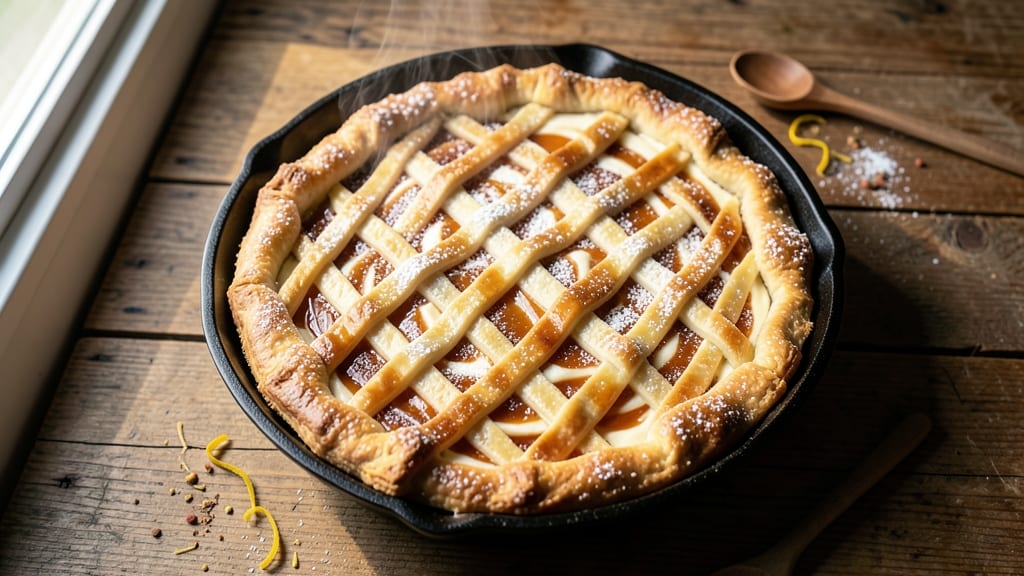
A 9-inch double-crust pie with a lattice top isn’t just dessert—it’s a showstopper that transforms any meal into something special. The secret lies in the crust: flaky layers that hold their shape while keeping fillings perfectly moist, all topped with a delicate lattice that lets steam escape without sacrificing structure.
I’ve perfected this technique over years of baking, and the difference between a good pie and a great one often comes down to these details.
The process starts with the dough—rolled thin, chilled just enough to prevent shrinking, and fitted into the pan with precision.
For fruit pies, blind-baking the bottom crust ensures it stays crisp even after hours in the oven, while custard or savory fillings benefit from a slightly shorter bake to prevent curdling. The lattice isn’t just decorative; it’s functional, allowing fillings to breathe while keeping juices contained.
Whether you’re filling it with tart berries, creamy custard, or savory cheese, the lattice ensures every bite delivers the perfect balance of texture and flavor.
By the time it emerges from the oven, your pie will have a golden, flaky crust with a lattice that’s crisp yet tender, and a filling that’s neither soggy nor dry. The aroma alone—warm spices, caramelized fruit, or buttery cheese—will have everyone gathered around the table.
This isn’t just a dessert; it’s a centerpiece that says, “I put in the effort, and it was worth it.”
Ready to bake? We’ll cover everything from rolling the dough to testing for doneness, plus pro tips for sealing edges and troubleshooting common pitfalls. Let’s make a pie that’s as impressive as it is delicious.
Ingredients for 9 inch double crust pie
Flaky crust, buttery lattice, and filling that stays perfect—just these ingredients transform any meal.
| Ingredient | Amount | Notes |
|---|---|---|
| All-Purpose Flour 🌾 | 3 ½ cups | Sifted for flaky texture |
| Cold Unsalted Butter 🧈 | 1 ¼ cups | Cut into small cubes |
| Ice Water 💧 | ½ cup | Chilled for dough elasticity |
| Granulated Sugar 🍚 | ¾ cup | For lattice stability |
| Large Eggs 🥚 | 1 whole | Room temperature |
| Vanilla Extract 🍯 | 1 tsp | Pure, high-quality |
| Salt 🧂 | ½ tsp | Fine sea salt |
| Fresh Lemon Juice 🍋 | 1 tbsp | Brightens filling |
| Cornstarch 🌾 | 2 tbsp | For thickened fillings |
| Pie Filling 🍎 | 5 cups | Customize to taste |
| Egg Wash 🥚 | 1 whole | 1 egg + 1 tbsp water |
| Coarse Sugar 🍚 | 2 tbsp | For lattice sprinkle |
The butter is non-negotiable here—European-style or Plugrá gives the best flakiness. Grab it from Whole Foods or King Arthur Flour if you want to splurge, but regular unsalted works too. Keep everything cold (even the flour) until mixing—room temp butter makes tough dough. The pie filling is your canvas: apples, berries, or custard all work, but pre-cooked fillings prevent soggy bottoms. For lattice, use a ruler to keep strips even—1-inch wide is perfect for balance.
No vanilla? Almond extract at half the amount works in a pinch. Running short on cornstarch? Arrowroot powder does the job too. The egg wash? Whole milk + 1 tbsp cornstarch is a vegan swap. For lattice, pre-cut strips from a knife roll save time—just stack and weave. Fresh fruit? Toss with lemon juice and sugar first to prevent browning. And if your dough cracks? Chill it 15 more minutes—it fixes most issues.
Wrap dough tightly in plastic and refrigerate for up to 3 days. The filling can be prepped a day ahead—store in an airtight container in the fridge. Assembled pies keep 2 days before baking, but blind-bake the bottom crust if prepping early. Lattice designs? Freeze for 10 minutes before baking to set the shape. Leftovers? Reheat at 350°F for 10 minutes—crispy every time.
Why You'll Love This Recipe
- No-Fuss Dough: I swear by the cold butter and ice water trick—it keeps the crust flaky without overworking the flour. Five minutes of cutting butter into dry ingredients, then a quick fold with water, and you’re done. No food processor, no stress.
- Golden Crust Edge: That crisp, caramelized rim? It’s all about the egg wash. Brush the top crust with beaten egg before baking, and you’ll get that perfect golden-brown contrast with the tender filling. Trust me, it’s the little details that make it feel like a bakery pie.
- Weeknight Crowd-Pleaser: Between us, this is my go-to for dinner parties or lazy Sundays. The double crust holds up to anything—savory or sweet—and slices neatly. Plus, leftovers? They reheat beautifully, so you’re covered for lunch the next day.
- Pantry Staple Magic: All-purpose flour, butter, sugar, and eggs? Ingredients I already have. No specialty items, no last-minute grocery runs. Honestly, it’s the kind of recipe that turns a simple afternoon into something impressive without breaking the bank.
Step-by-step instructions for a classic 9-Inch double-crust pie
Here's how to build a sturdy crust that holds its shape and locks in flavor every time.
Make the Pie Dough with Cold Ingredients
In a large mixing bowl, combine the 3.5 cups all-purpose flour and 0.5 tsp salt. Cut in the 1.25 cups cold unsalted butter using a pastry cutter or your fingers until the mixture resembles coarse crumbs with pea-sized butter pieces remaining. This cold butter creates flaky layers when baked.
Add the 0.75 cup granulated sugar and mix until evenly distributed. Pour in the 0.5 cup ice water and the 1 tbsp fresh lemon juice all at once. Using a fork, gently stir just until the dough comes together—don't overwork it. The dough will be shaggy but will firm up when chilled.
Divide, Shape, and Chill the Dough
Turn the dough onto a lightly floured surface and divide it into two equal portions. Roll one portion into a 12-inch circle for the bottom crust, about ⅛-inch thick. Transfer it to a 9-inch pie dish and trim the edges, leaving a ½-inch overhang. Press the dough gently against the sides of the dish to create a slight rim.
Roll the second portion into another 12-inch circle for the top crust. Cover both crusts with plastic wrap and refrigerate for at least 1 hour (or up to 24 hours). Chilling prevents shrinking and makes rolling easier. I like to keep mine in the fridge while I prepare the filling—it's a good time to let flavors develop.
Prepare the Filling and Assemble the Pie
If your 5 cups pie filling contains fruit, toss it with the 2 tbsp cornstarch and let it sit for 10 minutes to thicken slightly. Pour the filling into the chilled bottom crust, mounding it slightly in the center. Brush the edges of the bottom crust with egg wash (1 whole egg + 1 tbsp water) to create a seal.
Remove the top crust from the fridge and place it over the filling. Trim any excess dough hanging over the edges. For a classic lattice, cut the top crust into 1-inch wide strips using a sharp knife or pizza cutter. Weave the strips over the filling in a herringbone pattern, leaving the center open for steam to escape. Sprinkle the 2 tbsp coarse sugar evenly over the lattice.
Blind-Bake the Bottom Crust (Optional but Recommended)
For a foolproof crust, pre-bake the bottom only. Line the filled pie with parchment paper, fill with pie weights or dried beans, and bake at 375°F for 15 minutes. Remove the weights and bake 5 more minutes until lightly golden. This step prevents a soggy bottom—my biggest pet peeve in homemade pies.
If skipping blind-baking, proceed directly to baking the assembled pie. Brush the lattice with more egg wash and bake at 375°F for 45-55 minutes, until the crust is deep golden brown and the filling is bubbling. The edges should be set but the center should still jiggle slightly.
Finish and Rest for Perfect Texture
Remove the pie from the oven and let it cool on a wire rack for 2 hours before slicing. This resting period allows the filling to set properly and prevents a runny pie. The contrast between the crisp lattice and tender filling is what makes this recipe special.
Serve warm or at room temperature with a dollop of whipped cream or vanilla ice cream. The lattice design not only looks stunning but also creates perfect bite-sized pieces—every slice delivers that perfect balance of flaky crust and flavorful filling.
Pro Tips For Making 9 Inch Double Crust Pie
- Chill the Butter Hard: Take your unsalted butter out of the fridge and let it sit in the freezer for 10-15 minutes before cutting it into cubes—this keeps it cold longer and prevents the dough from turning greasy. I learned this the hard way after making dough that looked like it had been buttered up for a first date, not a pie crust.
- Cut Butter Small: Dice that butter into pea-sized pieces, not big chunks—this gives you more surface area for the flour to coat properly. I used to eyeball it and ended up with dough that behaved like wet sand. A quick 30-second chop with a sharp knife makes all the difference.
- Skip the Overworking: Mix the dough just until the butter is evenly distributed and the flour clumps together—no need to overmix or knead like you’re making bread. The moment the dough starts looking shaggy, stop. I’ve ruined more crusts trying to "fix" it than I can count.
- Pre-Bake the Bottom: Blind-bake the bottom crust for 10-12 minutes at 375°F (360°F convection) with pie weights or dried beans before filling—this prevents a soggy bottom when the filling bakes. Yes, it’s an extra step, but your future self will thank you when the crust holds its shape instead of turning into a puddle.
Wine and beer pairings for 9 inch double crust pie
Sweet Dessert Wines
For fruit-based pies like apple or berry, a Moscato d'Asti from Italy brings effervescence and floral notes that complement the tartness beautifully. The slight sweetness mirrors the pie's sugar, while its crisp acidity cuts through the richness.
I love pairing this with a 9-inch apple lattice pie—the bubbles make every bite feel celebratory. 🍷
Rich Red Wine Pairings
Creamy custard pies shine with a Pinot Noir—its earthy undertones and moderate tannins balance the sweetness without overpowering. Look for one from Oregon's Willamette Valley, where the cool climate produces wines with bright acidity.
For a bolder option, try a Zinfandel with a jammy, fruit-forward profile that stands up to spiced fillings like pumpkin or pecan. 🍇
Beer Complements
A Belgian Witbier with its citrusy coriander notes is my go-to beer pairing—it refreshes the palate after each rich bite of pie. Brands like Hoegaarden or Stella Artois work perfectly with fruit pies.
For a heartier option, a honey brown ale (like Allagash Honey Farmer) enhances caramelized fillings with its malty sweetness and subtle spice. 🍺
Coffee or Port Finish
After the main course, serve with espresso or a tawny Port to cleanse the palate. The bitterness of coffee cuts through the sugar, while Port's nutty complexity echoes the pie's spices. I often offer both—guests can choose based on their preference for bold or mellow finishes. ☕
Seasonal Adjustments
Summer berry pies? A Riesling off-dry from Germany keeps things light and refreshing. Winter spiced pies? A Cabernet Sauvignon with its bold structure stands up to cinnamon and clove. The key is matching the wine's intensity to the pie's filling—never let the drink overpower the dessert. ❄️
Non-Alcoholic Options
For non-drinkers, sparkling apple cider (like Martinelli's) mimics the bubbles of wine while complementing fruit pies. A ginger beer with a touch of honey adds warmth to custard pies. I always keep these on hand—they’re just as thoughtful as alcoholic pairings. 🍏
Nutrition facts
Frequently asked questions
Can I make this 9-inch double crust pie in a different sized pan?
For a 9-inch pie, use the recipe as written. For a 10-inch pan, increase all ingredients by about 15% (including dough and filling). For 8-inch pies, reduce by 20%—just scale everything proportionally. Always adjust baking time too: smaller pies bake 10-15 minutes faster, while larger ones need 5-10 minutes more.
How do I prevent my lattice top from burning before the filling is done?
Brush the lattice with egg wash, then sprinkle with coarse sugar—this creates a light barrier that prevents over-browning. For extra protection, tent loosely with aluminum foil after 20 minutes of baking. The sugar also adds a subtle caramelized flavor! Always check the filling's doneness with a thermometer (210°F for fruit, 160°F for custard).
What's the best way to store leftover pie?
Cool completely, then wrap tightly in plastic wrap followed by aluminum foil. Store at room temperature for 2 days, or refrigerate for up to 4 days. For longer storage, freeze the whole pie (unopened) for up to 3 months. To reheat, bake at 350°F for 10-15 minutes until warmed through—this restores the lattice's crispness.
Can I use this recipe for savory pies like quiche?
Yes! Replace the fruit filling with 5 cups of savory ingredients (e.g., 8 eggs + 3 cups shredded cheese + 1 cup cooked sausage). Skip the cornstarch and reduce sugar to 1 tbsp. Bake at 375°F for 40-45 minutes until the center reaches 160°F. The lattice works beautifully for savory pies too—just omit the sugar sprinkle.
Why did my crust shrink during baking?
Underdough is the #1 culprit! Chill the dough for at least 1 hour before rolling, and keep it cold while working. If it shrinks anyway, gently press it back into place before baking. For extra stability, pre-bake the bottom crust with weights. Pro tip: Use a pie bird (or crumpled foil) in the center during baking to prevent puffing.