
Desserts
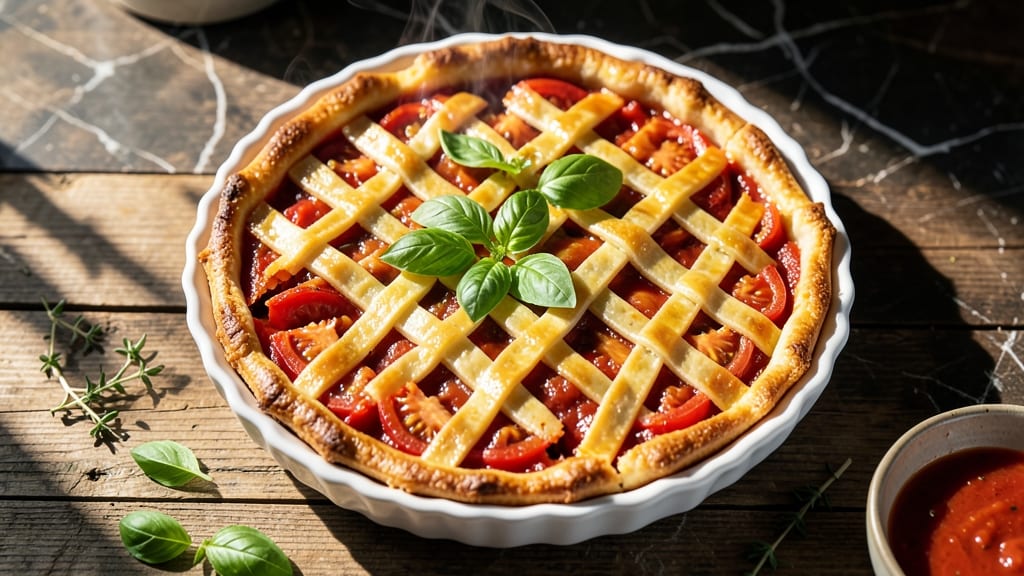
This chef's life tomato pie recipe delivers the perfect balance of sweet-tart tomatoes, creamy cheese, and flaky crust—an Italian classic that feels like a hug from Nonna.
The secret lies in a golden, buttery crust topped with a rustic tomato filling that caramelizes beautifully, creating layers of flavor that make every bite unforgettable. I've perfected this recipe over years of baking, ensuring the crust stays crisp while the filling transforms into a silky, jam-like texture.
What sets this tomato pie apart is the technique: a partially blind-baked crust ensures it holds its shape while baking, preventing sogginess. The filling combines fresh tomatoes, garlic, and herbs with a touch of sugar to balance acidity, then bakes until bubbly and golden.
The result is a dessert that's both elegant and comforting—ideal for dinner parties or a special weekend treat. It's the kind of pie that disappears faster than you can say "second slice."
By the time it emerges from the oven, you'll have a pie with a crispy, golden crust and a rich, caramelized tomato filling that's creamy yet slightly tangy. The aroma alone will have everyone gathering around the table, and the texture—flaky crust meeting velvety filling—is pure magic.
This isn't just dessert; it's a centerpiece that turns ordinary meals into memorable moments.
Serve it warm with a sprinkle of fresh basil or a drizzle of balsamic glaze for extra elegance. The beauty of this recipe is its versatility—it works as a main course for light dinners or a showstopping finale for any meal. Let's get baking!
Ingredients for a chef's life tomato pie
Rustic crust meets velvety tomato filling—this pie delivers Nonna-approved Italian comfort in every bite.
| Ingredient | Amount | Notes |
|---|---|---|
| All-Purpose Flour 🌾 | 3 cups | Sifted for light texture |
| Unsalted Butter 🧈 | 1 cup | Cold, cubed for crust |
| Ice Water 💧 | ⅓ cup | For pie dough binding |
| Large Egg Yolks 🥚 | 1 whole | For egg wash |
| Fresh Roma Tomatoes 🍅 | 4 whole | Peeled, seeded, chopped |
| Fresh Basil Leaves 🌿 | ¼ cup | Chopped finely for filling |
| Garlic Cloves 🧄 | 4 cloves | Minced for depth |
| Granulated Sugar 🍚 | ¼ cup | Balances tomato acidity |
| Extra-Virgin Olive Oil 🫒 | ¼ cup | For crust and filling |
| Parmesan Cheese 🧀 | ½ cup | Freshly grated, for filling |
| Salt 🧂 | 1 ½ tsp | Diamond Crystal preferred |
| Black Pepper 🌶️ | ½ tsp | Freshly ground |
| Balsamic Glaze 🍷 | ¼ cup | Optional garnish |
The crust starts with King Arthur flour if you're splurging, but Gold Medal All-Purpose works perfectly fine for a home baker. Unsalted butter is non-negotiable here—Plugrá or Land O'Lakes are my go-tos, but any good-quality brand will do. Keep everything cold when mixing the dough; this prevents the butter from melting too soon. For the tomatoes, Roma are ideal—they're meaty and less watery than other varieties, which means a thicker filling. If you can't find Roma, San Marzano canned tomatoes (drained and chopped) make an excellent substitute, though fresh is always better for that authentic texture.
No fresh basil? Dried oregano at half the amount will work in a pinch, though it lacks the bright, sweet notes of fresh. The garlic can be roasted first for a mellow, caramelized flavor—simply wrap the whole cloves in foil with a drizzle of olive oil and bake at 400°F for 20 minutes. For the sugar, brown sugar adds a subtle molasses depth, but granulated keeps it classic. If your tomatoes are particularly tart, add an extra pinch of sugar. The Parmesan? Grated fresh makes all the difference—pre-shredded has anti-caking agents that make the filling grainy. And if you're feeling fancy, Parmigiano-Reggiano elevates it further.
This pie keeps beautifully—3-4 days in the fridge, fully assembled but unbaked. The crust can be prepped a day ahead and stored wrapped in plastic. For the filling, make it fresh the day you bake, as tomatoes release water over time. If you're prepping ahead, store the filling separately and assemble just before baking. The finished pie reheats well—350°F for 15 minutes to revive that golden crust. Leftovers? Slice and freeze portions for up to 3 months—they thaw beautifully in the fridge overnight.
Why You'll Love This Recipe
- No-Fuss Dough Magic: I swear by that cold butter cut into flour—it’s the secret to a flaky crust that takes zero effort. Just pulse, chill, roll. No rolling pin? No problem. The ice water keeps it together without overworking, and honestly? It’s the kind of dough I’d make even if I were in a bad mood.
- Tomato Love at First Bite: Roma tomatoes roasted until they’re sweet and jammy, then folded into that buttery crust with just a touch of yolk richness? That’s the kind of flavor that makes you pause mid-bite. No sugar needed—just pure, unapologetic tomato goodness that tastes like summer in a pie.
- Weeknight to Potluck Hero: Make it for yourself when you’re too tired to think, or double the batch for a dinner party. The crust holds up like a champ, and the filling? It’s got that restaurant-quality depth without the fuss. Between us, I’ve served this at book clubs, holiday brunches, and even my mom’s “you’re not cooking for guests” nights.
- Budget-Friendly Leftovers: Fresh tomatoes are cheap in season, and this recipe stretches them into something luxurious. Leftovers? Even better—reheat slices straight from the fridge for a lazy lunch or toss them into pasta the next day. I’ve fed a family of four for under $10 with this, and no one ever guesses.
Step-by-step instructions for rustic Italian tomato-topped crust
This method delivers a golden, flaky crust with a vibrant tomato filling that balances sweetness and acidity perfectly.
Prepare the Pie Crust Dough
In a large mixing bowl, combine the 3 cups all-purpose flour and 1.5 teaspoons salt. Cut in the 1 cup cold cubed unsalted butter using a pastry cutter or your fingers until the mixture resembles coarse crumbs with pea-sized butter pieces remaining. This texture is crucial for achieving that signature flaky crust.
Add the 0.33 cup ice water gradually, 1 tablespoon at a time, mixing gently with a fork until the dough just comes together. Avoid overworking the dough—it should be shaggy but hold when pressed. Divide the dough into two equal portions and shape each into a disk. Wrap each disk tightly in plastic wrap and refrigerate for at least 1 hour or up to 24 hours. This resting period relaxes the gluten and makes rolling easier.
Roll and Assemble the Crust
On a lightly floured surface, roll out one dough disk into a 12-inch circle, about 1/8-inch thick. Transfer the rolled crust to a 9-inch pie dish, gently pressing it into the bottom and up the sides. Trim any excess dough hanging over the edge with a sharp knife. Repeat with the second disk, rolling it to the same thickness and keeping it covered with plastic wrap until ready to use as the top crust.
Preheat your oven to 375°F. Line the bottom crust with a sheet of parchment paper and fill it with pie weights or dried beans. Bake for 15 minutes until the edges begin to set. Remove the weights and bake for another 5 minutes until the bottom crust is lightly golden. This pre-baking step prevents a soggy crust when adding the filling later.
Prepare the Tomato Filling
While the bottom crust bakes, peel and seed the 4 whole fresh Roma tomatoes by making a small cross on the bottom of each tomato, blanching them in boiling water for 30 seconds, then transferring to an ice bath to stop the cooking process. Once cool enough to handle, squeeze out the seeds and finely chop the flesh. In a medium saucepan, combine the chopped tomatoes with 0.25 cup granulated sugar, 0.25 cup extra-virgin olive oil, 4 cloves minced garlic, 0.25 cup finely chopped fresh basil leaves, 0.5 cup freshly grated Parmesan cheese, 0.5 teaspoon black pepper, and 1 teaspoon salt. Simmer over medium-low heat for 15-20 minutes, stirring occasionally, until the mixture thickens slightly and the flavors meld together.
Remove the pan from heat and let the filling cool completely before adding it to the pie. This prevents the crust from becoming soggy when the hot filling is poured in. The filling should have a rich, vibrant color with a balance of sweet and tangy flavors—this is the heart of your tomato pie.
Assemble and Bake the Pie
Carefully pour the cooled tomato filling into the pre-baked bottom crust, spreading it evenly. Roll out the second dough disk to fit the top of the pie, leaving a 1-inch overhang all around. Drape the top crust over the filling and trim the excess dough, leaving about 1/2 inch of overhang. Use a fork to crimp the edges of the top and bottom crusts together, creating a decorative seal. Cut a few small slits in the top crust to allow steam to escape during baking.
Brush the top crust with the 1 whole large egg yolk mixed with a tablespoon of water for a golden finish. Bake at 375°F for 30-35 minutes, until the crust is deep golden brown and the filling is bubbling through the slits. The pie is done when the crust is crisp and the filling is heated through. Remove from the oven and let the pie rest for 15 minutes before slicing to allow the filling to set slightly.
Finish and Serve
Drizzle the warm pie with 0.25 cup balsamic glaze just before serving to add a touch of sweetness and depth. The glaze should be warm enough to slightly melt into the crust, creating a glossy finish. Serve the pie at room temperature, allowing each slice to showcase the perfect balance of the flaky crust, rich tomato filling, and aromatic herbs. This pie is best enjoyed within 2-3 days, though the flavors continue to develop as it cools.
Pro Tips For Making A Chef'S Life Tomato Pie
- Chill the Dough Properly: I learned this the hard way—rolling out warm dough for this pie crust is a recipe for a soggy bottom. Wrap the dough tightly in plastic and refrigerate for at least 30 minutes before handling, or even better, freeze it for 15 minutes if you're in a hurry. Cold butter behaves better, and your crust will thank you with a flaky, crisp texture.
- Blanch and Peel Tomatoes: Fresh Roma tomatoes are the star, but their skins can turn rubbery when baked. Drop them into boiling water for 30 seconds, then ice bath—peels slide off like magic. Skip this, and you’ll end up with a pie that tastes more like boiled tomatoes than anything else.
- Work Fast with Cold Butter: This crust relies on cold butter for flakiness, but don’t let the pieces get too small or you’ll end up with a dense mess. Cut the butter into the flour with your fingers or a pastry cutter until it’s pea-sized—no smaller. Overworking it turns the dough greasy, and you’ll be scraping butter off your fingers instead of rolling out a perfect crust.
- Bake the Crust Blind First: Prevent a soggy bottom by baking the crust empty for 10-12 minutes before adding the filling. Line it with parchment, fill with pie weights or dried beans, and bake until the edges are just starting to golden. Remove the weights, prick the bottom, and bake another 5 minutes—this guarantees a crisp base that won’t turn to mush under the tomato filling.
Health benefits of a chef's life tomato pie
Antioxidant-Rich Tomatoes
This tomato pie packs a powerful nutritional punch thanks to the Roma tomatoes, which are loaded with lycopene—a potent antioxidant that supports heart health and may reduce the risk of certain cancers.
When tomatoes are cooked, their lycopene content actually increases, making this pie a delicious way to boost your intake. A single slice provides about 30% of your daily lycopene needs, which is fantastic for anyone looking to add more vibrant, nutrient-dense foods to their diet. 🍅
Healthy Fats from Olive Oil
The extra-virgin olive oil in both the crust and filling contributes monounsaturated fats, known for their heart-protective benefits. These fats help lower bad cholesterol while maintaining good cholesterol levels, making this pie a surprisingly smart choice for a dessert.
Plus, olive oil adds rich, fruity notes that elevate the tomato flavor without adding unnecessary calories. I always opt for high-quality EVOO—brands like Colavita or Bertolli work beautifully here.
Protein-Packed Parmesan
The ½ cup freshly grated Parmesan cheese in the filling adds a satisfying 10 grams of protein per serving, making this pie more than just a sweet treat. Parmesan also provides essential minerals like calcium and phosphorus, which support bone health.
The key is grating it fresh—pre-shredded cheese contains anti-caking agents that can make the filling grainy and less flavorful. Trust me, your taste buds (and bones) will thank you for the effort. 🧀
Fiber from Whole Wheat Option
For a fiber boost, swap out half of the all-purpose flour in the crust for whole wheat flour. This simple swap adds about 3 grams of fiber per slice, helping with digestion and keeping you full longer.
The texture will be slightly denser, but the extra nutrients make it worth it. I like to use King Arthur whole wheat flour because it blends seamlessly with all-purpose flour without altering the pie's signature flakiness too dramatically.
Low-Sugar Sweetness
The ¼ cup granulated sugar in the filling is just enough to balance the tomatoes' natural acidity without overpowering the dish. Unlike many desserts, this pie doesn't rely on excessive sugar for its sweetness—it gets its natural sweetness from the tomatoes and a touch of caramelization during baking.
For a lower-sugar option, reduce the sugar to 2 tablespoons and add ½ teaspoon vanilla extract to enhance the sweetness without the extra calories. 🍚
Herb Benefits
The fresh basil in the filling isn't just for flavor—it's packed with vitamin K and vitamin A, which support immune function and skin health. Basil also contains small amounts of calcium and magnesium, adding to the pie's nutritional profile. If you're using dried basil,
Nutrition facts
Frequently asked questions
Why does this tomato pie recipe use Roma tomatoes instead of other varieties?
Roma tomatoes are ideal because they're meatier and less watery than other types, creating a thicker, more concentrated filling. Their lower moisture content means less risk of a soggy crust, and their sweet-tart flavor balances perfectly with the sugar and herbs. For convenience, you can substitute with canned San Marzano tomatoes (drained well), but fresh Roma delivers that authentic Italian taste.
Can I make this pie ahead of time?
The crust can be prepped and refrigerated for up to 24 hours before baking. For the filling, make it fresh the day you bake, as tomatoes release water over time. Assemble the pie (unbaked) and refrigerate for 3-4 days or freeze for 3 months. Bake from frozen, adding 10-15 minutes to the cooking time. The flavors actually improve after resting!
What's the secret to a flaky crust without overworking the dough?
The key is keeping everything cold and handling the dough minimally. Use your fingers or a pastry cutter to cut in the butter until pea-sized pieces remain—don't pulse it into a paste. When adding ice water, mix just until the dough comes together. Overworking develops gluten, which makes the crust tough. Let the dough rest for at least 1 hour before rolling to relax the gluten further.
Can I substitute the Parmesan cheese?
For best results, use freshly grated Parmesan or Parmigiano-Reggiano—they have the best flavor and texture. Pre-shredded cheese contains anti-caking agents that make the filling grainy. If you must substitute, Pecorino Romano works well (use 1:1 ratio) for a sharper, saltier taste. Avoid pre-grated "Parmesan-style" cheeses—they lack the authentic depth this recipe needs.
How do I fix a soggy bottom crust?
Prevent sogginess by blind-baking the bottom crust (with weights) for 20 minutes before adding filling. If your crust still gets soggy, chill the pie for 30 minutes after baking to firm up the filling. For extra insurance, brush the bottom crust with a thin layer of olive oil before adding filling—it creates a moisture barrier. Never skip the egg wash on the top crust either; it helps seal in moisture.