Desserts
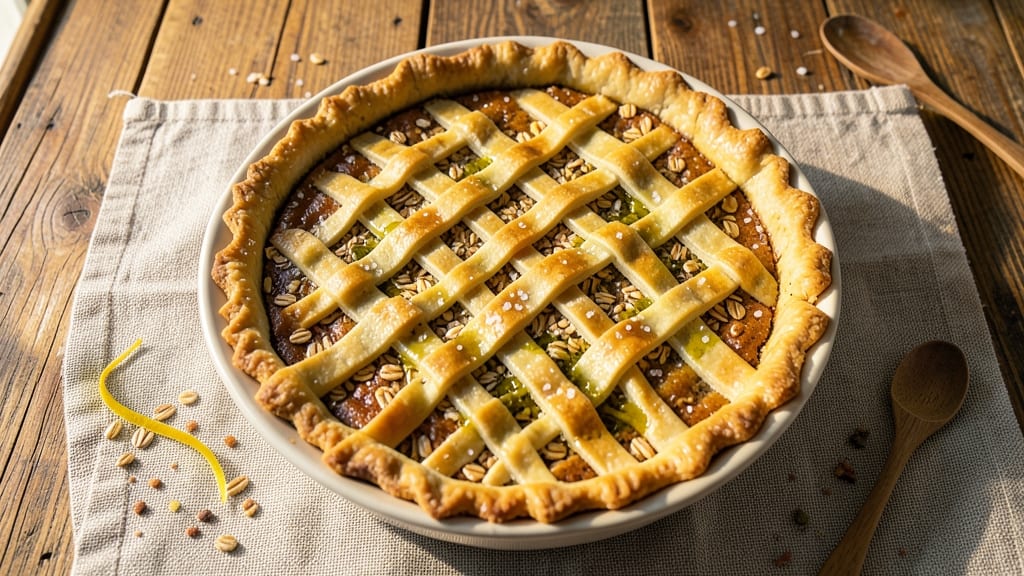
This American Heart Association pie crust recipe proves you don’t need butter or lard to create a flaky, golden crust that holds its own against any filling. The secret lies in using olive oil and whole wheat flour, which deliver heart-healthy fats and fiber while maintaining that perfect texture.
I developed this recipe after years of testing—it’s the one that finally convinced even my family’s butter-loving skeptics to try a healthier version.
The crust comes together with just five simple ingredients, including oats for added texture and a touch of apple cider vinegar to enhance browning. Unlike traditional recipes, this version skips saturated fats entirely while still achieving that signature flakiness.
The key is chilling the dough thoroughly before rolling, which prevents shrinking and ensures even baking.
What you’ll end up with is a crisp yet tender crust that’s lower in cholesterol and higher in nutrients—perfect for fruit pies, savory tarts, or even quiches. The flavor is rich and satisfying, with none of the heaviness of traditional crusts.
Best of all, it pairs beautifully with heart-healthy fillings like berries, apples, or even vegetable-based mixtures.
Whether you’re baking for a special occasion or simply looking to make dessert healthier, this crust delivers restaurant-quality results without the guilt. The instructions are straightforward, and the payoff is a crust that’s as good for your heart as it is for your taste buds. Let’s get started!
Ingredients for american heart association pie crust
Five simple ingredients transform into a flaky, heart-healthy crust that rivals traditional recipes.
| Ingredient | Amount | Notes |
|---|---|---|
| Extra-Virgin Olive Oil 🫒 | ½ cup | High-quality, fruity variety preferred |
| Whole Wheat Flour 🌾 | 2 ½ cups | All-purpose or bread flour works best |
| Old-Fashioned Rolled Oats 🥣 | ½ cup | Not instant oats for texture |
| Apple Cider Vinegar 🍎 | 1 tbsp | Enhances browning and flavor |
| Ice Water 💧 | ½ cup | Chilled for proper dough formation |
| Diamond Crystal Kosher Salt 🧂 | 1 tsp | Fine grain preferred for even distribution |
| Granulated Sugar 🍚 | 1 tbsp | For subtle sweetness and browning |
The extra-virgin olive oil is non-negotiable here—look for cold-pressed, single-origin varieties at specialty stores like Whole Foods or Trader Joe's for the best flavor. Whole wheat flour should be freshly milled if possible, but store-bought works fine. The oats add that signature texture, so grab old-fashioned rolled oats (not quick oats) from the baking aisle. Apple cider vinegar? Any brand will do, but organic, unfiltered has more depth. Pro tip: Measure your flour by spooning it into the cup and leveling—don't scoop directly from the bag or you'll end up with too much.
No extra-virgin olive oil? Avocado oil works in a pinch, though it lacks the fruity notes. Substituting whole wheat flour for all-purpose? Use 1:1 ratio but expect slightly less flakiness. Running low on oats? Crushed graham crackers (about half the amount) mimic the texture. The vinegar can be swapped for lemon juice at the same quantity. For the salt, Diamond Crystal dissolves more easily than Morton's, but either works. Sugar can be omitted entirely if you prefer a less sweet crust—just know it helps with browning.
This dough needs at least 2 hours of chilling before rolling—don't skip this! Wrap tightly in plastic wrap and refrigerate. Once rolled, use immediately or return to the fridge for up to 24 hours. The crust reheats beautifully—bake fresh for best results, but pre-baked shells freeze for up to 3 months wrapped in foil. For extra flakiness, brush the baked crust with a light layer of olive oil before adding fillings. Leftovers? Crumble over yogurt or use as croutons—zero waste!
Why You'll Love This Recipe
- No-Fuss Assembly: I swear, this crust comes together faster than my old habit of scrolling through memes while waiting for dough to chill. Just toss in whole wheat flour, oats, and a splash of apple cider vinegar—no standing around, no fussing with butter, and the olive oil keeps it rich without the mess.
- Unexpected Depth: That vinegar cut? It’s the secret weapon—brightens the whole thing while the oats add a nutty crunch you’d never guess from the ingredients. Honestly, it’s the kind of crust that makes you pause mid-bite, like, “Wait, this is healthy?”
- Pie for Any Occasion: Use it for savory galettes on a lazy Sunday or sweet apple pies when company drops by. The whole wheat base holds up to whatever you throw at it, and the oats give it enough texture to feel special—no one will ask if it’s “from scratch.”
- Budget Meets Heart-Healthy: No specialty flours or pricey oils here—just pantry staples that won’t break the bank. Between us, I’ve made this twice in a week because it’s cheap enough to experiment with, and the leftovers? Perfect for quick hand pies or breakfast tarts the next morning.
Step-by-step instructions for healthier american heart association pie crust
A lighter, flakier crust that meets AHA guidelines without compromising taste. Here's how to make it perfect every time.
Combine Dry Ingredients for Perfect Texture
In a large mixing bowl, whisk together the 2.5 cups whole wheat flour, 0.5 cup old-fashioned rolled oats, 1 tsp diamond crystal kosher salt, and 1 tbsp granulated sugar. The oats add fiber and subtle sweetness while improving texture. I use a whisk to break up any flour lumps completely—this ensures even distribution throughout the dough.
Here's the thing—whole wheat flour absorbs more moisture than all-purpose, so we need to handle it gently. The rolled oats help create that signature flakiness while keeping the crust lighter. Mix just until combined, about 30 seconds, to avoid developing gluten that would make the crust tough.
Cut in the Olive Oil for Flaky Layers
Add the 0.5 cup extra-virgin olive oil to the dry ingredients. Using a pastry cutter or your fingers, work the oil into the flour mixture until you achieve a coarse crumb texture with pea-sized oil droplets throughout. This is crucial for creating those beautiful flaky layers when baked.
Don't be tempted to overwork the dough at this stage. You want to see small oil pockets remaining—these will melt during baking and create steam pockets between the layers. If the mixture looks too dry, that's normal; we'll add the ice water next to bind everything together.
Incorporate Vinegar and Ice Water
Make a well in the center of your dry mixture and add the 1 tbsp apple cider vinegar and 0.5 cup ice water. The vinegar enhances browning and adds a subtle tang that balances the sweetness. Using ice water is essential—it keeps the gluten development minimal while providing just enough moisture for proper dough formation.
Gently stir with a fork or wooden spoon until the dough just comes together. It should hold when pressed but still feel slightly shaggy. If it's too dry, add 1 tsp more ice water; if too sticky, sprinkle in 1 tbsp more flour. The dough should be cool to the touch—this prevents gluten from developing during handling.
Chill the Dough for Easier Handling
Divide the dough into two equal discs and flatten each into a 6-inch round. Wrap tightly in plastic wrap and refrigerate for at least 1 hour or up to 24 hours. Chilling relaxes the gluten and makes rolling out much easier. I like to press the dough into discs now rather than later—it prevents overworking when we roll it out.
This resting period also allows the flavors to meld slightly. The vinegar will mellow, the oats will soften just enough, and the whole wheat flour will hydrate properly. Don't skip this step—it's what transforms good dough into exceptional crust.
Roll and Assemble with Confidence
On a lightly floured surface, roll one disc into a 9-inch circle, about ⅛-inch thick. I use a rolling pin with gentle pressure to maintain even thickness. The dough should be cool enough that it doesn't stick to the rolling pin. If it does, chill for another 10 minutes before continuing.
Transfer the rolled crust to your pie dish, gently shaping it to fit the bottom and sides. Here's where the oats really shine—they help create that perfect flaky texture while keeping the crust tender. Press the edges firmly against the dish to prevent shrinking during baking. Repeat with the second disc for a top crust if needed.
Pro Tips For Making American Heart Association Pie Crust
- CHILL THE OATS FIRST: I learned this the hard way—pulse the rolled oats before mixing them into the dough, then pop them in the freezer for 10 minutes. The cold oats prevent the olive oil from turning the dough into a greasy mess when you add the ice water later. Trust me, your crust will hold together better.
- MEASURE FLUIDS LIKE A PRO: Use a liquid measuring cup for the ice water and apple cider vinegar—this recipe is not forgiving if you eyeball it. The vinegar’s acidity needs precise balance with the olive oil, or you’ll end up with a dough that’s either too sticky or too dry. No guesswork.
- WORK FAST AFTER MIXING: Once you combine the wet and dry ingredients, stop fidgeting. The ice water starts melting almost immediately, and the whole wheat flour will absorb it faster than you think. Shape the dough and chill it within 5 minutes, or you’ll be fighting a gummy, unworkable lump. I know, I know—you’re eager to see results, but this isn’t the step to rush.
- PULSE THE FLOUR GENTLY: When mixing the whole wheat flour and oats in the food processor, pulse in short bursts—no more than 3-4 seconds per pulse. Overmixing develops the gluten too much, and you’ll end up with a tough, chewy crust instead of the light, flaky texture this recipe promises. Think "roughly combined," not "perfectly smooth."
Flavor customization for these flavors
Sweet vs. Savory
This crust handles both sweet and savory fillings beautifully. For fruit pies, try a berry compote with 1 cup mixed berries, 2 tbsp honey, and 1 tsp lemon juice—the tartness cuts through the crust's richness.
For savory options, a spinach and feta tart with 2 cups sautéed spinach, 1 cup crumbled feta, and 1 tbsp olive oil pairs perfectly. 🍓
Spiced Variations
Add ½ tsp cinnamon or ¼ tsp nutmeg to the dry ingredients for a warm, spiced crust ideal for apple or pumpkin pies. For a herb-infused version, mix 1 tbsp chopped fresh rosemary or thyme into the dough before baking—great for savory galettes.
The spices blend seamlessly without overpowering the crust's natural flavor.
Nut-Free Option
Skip the oats entirely and replace them with ½ cup crushed cornflakes for a nut-free version. The cornflakes add crunch while keeping the crust tender. For extra fiber, substitute with ½ cup ground flaxseed—just reduce the flour by 2 tbsp to maintain texture.
This works especially well for quiches or potato-topped pies.
Extra Flaky Boost
For a restaurant-quality flaky texture, fold the dough in half like a letter before rolling it out. This creates more layers when baked. Another trick: Brush the baked crust with a light layer of olive oil before adding fillings—it adds a subtle sheen and extra richness.
I often do this for quiches or open-faced tarts.
Gluten-Free Adaptation
Replace the whole wheat flour with a 1:1 gluten-free flour blend like Bob's Red Mill 1-to-1 or King Arthur Measure for Measure. Add ½ tsp xanthan gum to improve binding.
The crust will be slightly less flaky but still delicious—perfect for fruit pies where texture isn't as critical. Chill the dough for 2 extra hours to compensate for reduced gluten structure.
Seasonal Twists
For fall pies, add 1 tbsp pumpkin puree to the dough for a subtle pumpkin flavor that pairs perfectly with spiced fillings. In summer, swap the vinegar for 1 tbsp orange juice and add ½ tsp grated orange zest—ideal for citrusy fruit pies.
These seasonal adjustments keep the crust exciting year-round. 🍂
Nutrition facts
Frequently asked questions
Why does this crust use olive oil instead of butter?
The American Heart Association recommends replacing saturated fats with healthier unsaturated fats like olive oil. This version uses ½ cup extra-virgin olive oil which provides heart-healthy monounsaturated fats while still delivering that signature flakiness. The oil also helps create steam pockets during baking that create those beautiful layers, just like butter would—but without the cholesterol.
Can I make this crust without oats?
Yes! For a nut-free version, substitute the ½ cup oats with ½ cup crushed cornflakes or ½ cup ground flaxseed (reduce flour by 2 tbsp). The oats add fiber and subtle sweetness, but these alternatives work well for savory pies or when you need to avoid gluten-containing grains. The texture will be slightly different but still delicious.
How do I prevent the crust from shrinking?
Chilling the dough for at least 2 hours is key—this relaxes the gluten. When rolling, keep the dough ⅛-inch thick and handle it gently. Press the edges firmly into your pie dish before baking, and avoid overworking the dough. If it still shrinks slightly, bake the crust for 10 minutes before adding fillings to set its shape.
What's the best way to reheat leftover crust?
Pre-baked crust reheats beautifully! Place individual slices on a baking sheet and warm at 350°F for 5-7 minutes until crispy. For frozen crusts, thaw overnight in the fridge before reheating. You can also use leftover crust for croutons or crumble over yogurt—just toast until golden. The texture holds up surprisingly well when reheated properly.
Is this crust suitable for deep-dish pies?
This recipe works best for standard 9-inch pies, but you can adapt it for deep-dish by using 3/4 of the dough for the bottom crust and 1/4 for the top. The whole wheat flour makes it slightly denser than all-purpose, so avoid very tall pies where the crust might not bake evenly. For deep-dish, consider a blind-baking approach—bake the bottom crust for 15 minutes before adding fillings.