
Desserts
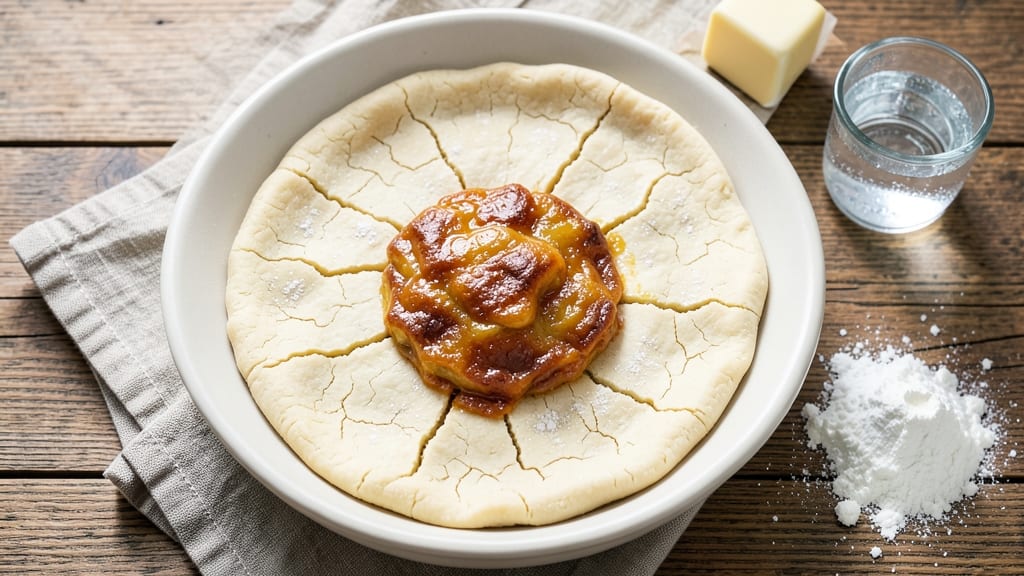
This American pie dough recipe delivers the flaky, buttery layers that make every slice worth savoring—no more tough, dry crusts. The secret lies in cold butter, precise folding, and a chilled resting time that ensures perfect texture every time.
I’ve perfected this dough over years of baking, and it’s the foundation for everything from classic apple pie to modern twists like sweet potato or even savory options.
The process is straightforward but requires attention to detail: cutting cold butter into flour until pea-sized crumbs form, then folding the dough just enough to create those signature layers. A 30-minute rest in the fridge before rolling prevents shrinking, while blind-baking the crust ensures it stays crisp under fillings.
This dough is versatile enough for both sweet and savory pies, and it handles fillings without becoming soggy.
What you’ll end up with is a pie crust so tender and flaky that it practically melts in your mouth, yet sturdy enough to hold even the juiciest fillings. The layers stay intact through baking, creating a texture that’s light yet satisfying.
Whether you’re baking a traditional apple pie or experimenting with a deconstructed dessert, this dough is your secret weapon.
Troubleshooting is easy once you know the tricks: keep everything cold, don’t overwork the dough, and avoid rolling it too thin. The result? A crust that’s crisp on the edges, tender in the middle, and impossible to resist. Let’s get started on creating the perfect foundation for your next pie.
Ingredients for american pie dough
Four simple ingredients create the flaky, buttery layers that make this pie dough legendary.
| Ingredient | Amount | Notes |
|---|---|---|
| All-Purpose Flour 🌾 | 3 cups | Sifted for light texture |
| Unsalted Butter 🧈 | 1 cup | Cold, cubed into 1/2-inch pieces |
| Ice Water 💧 | ⅓ cup | Chilled for best results |
| Diamond Crystal Kosher Salt 🧂 | ½ tsp | Adjust to taste |
| Granulated Sugar 🍚 | 1 tbsp | For subtle sweetness |
The butter is non-negotiable here—cold cubes are key for those signature layers. Grab a sticks of European-style butter from Whole Foods or Trader Joe's for extra richness, but regular unsalted works too. Keep it in the freezer until ready to use, then let it sit for 10 minutes before cutting into even-sized pieces. The flour? King Arthur or Gold Medal brands are my go-to—they handle cold butter better than generic store brands. Sift it first to avoid lumps, and don't skip this step if you want that perfect crumbly texture.
No ice water? Freeze a small ice cube tray for 30 minutes before using. Short on sugar? Skip it entirely**—this isn't a sweet dough. For salt, Diamond Crystal is my preferred brand (it's less dense than Morton), but use whatever you've got. The dough will be slightly dry at first—that's normal. If it feels too crumbly, add a teaspoon more ice water. And if you're making a savory pie? Cut the sugar in half**—it balances the butter's richness without sweetness.
This dough needs 30 minutes in the fridge before rolling—no shortcuts. Wrap it tightly in plastic wrap and press it flat to prevent shrinking. For best results, use within 3 days**—though it freezes beautifully for up to 3 months. I like to portion it into two equal discs and freeze one for next time. When ready to bake, let it sit at room temperature for 10 minutes before rolling. The butter should still feel cool to the touch—if it's too soft, chill it another 10 minutes.
Why You'll Love This Recipe
- Cold Butter Magic: I swear by cutting that unsalted butter into flour with ice water—no food processor, no fuss. The dough stays cool, handles like a dream, and you’re done in 10 minutes of actual work. (The resting? That’s where the magic happens.)
- Sweet-Salty Crust: That pinch of sugar and kosher salt isn’t just for show—it balances the butter’s richness into something ridiculously good. Flaky layers with just enough sweetness? Yes, even in apple pie or a savory galette.
- Pie Night, Every Night: Use it for desserts, sure, but I’ve stuffed this dough with breakfast sausage and cheese for a weeknight dinner. Freeze half the batch, and suddenly you’ve got a backup for Thanksgiving or a last-minute potluck.
- Pantry Staple Power: Five ingredients, all of which you already own. No weird substitutions, no last-minute grocery runs—just flour, butter, and a splash of ice water. Budget-friendly? Absolutely. Reliable? Even my picky teens won’t complain.
Step-by-step instructions for American pie dough
Here's how to build the perfect foundation for any pie—crisp, flaky, and golden.
Combine Dry Ingredients for Light Texture
In a large mixing bowl, whisk together the 3 cups all-purpose flour, 0.5 teaspoon diamond crystal kosher salt, and 1 tablespoon granulated sugar. I use a whisk for this step to aerate the flour slightly—this creates tiny pockets that will become your flaky layers when the butter melts. Sift the flour first if you have time, but even whisking thoroughly helps prevent dense dough.
Don't skip the sugar—it's not just for sweetness. It helps tenderize the dough and creates a subtle caramelization when baked. The sugar also helps the butter emulsify better, giving you those signature flaky layers in your finished pie crust.
Cut in Cold Butter for Maximum Flakiness
Add the 1 cup cold, cubed unsalted butter to the flour mixture. Using a pastry cutter or two forks, work the butter into the flour until you have pea-sized crumbs with some larger butter pieces remaining. This is crucial—you want some butter to stay in larger chunks so they create steam pockets when baked, which is what makes pie dough flaky.
I like to use my fingers for this part—press the butter pieces into the flour and then rub them between my fingers to break them down gradually. The butter should be cold enough that it doesn't melt completely when you touch it. If it feels too soft, return it to the refrigerator for 10-15 minutes before proceeding.
Add Ice Water Gradually for Perfect Moisture
Measure out the 0.33 cup ice water—this is key for flaky dough. The cold water helps keep the butter solid as you mix. Add the water 1 tablespoon at a time, mixing gently with a fork or dough scraper after each addition. You want just enough water to bring the dough together when pressed, but not so much that it becomes sticky.
Here's the thing—every bowl and flour is slightly different, so you might not need all the water. Stop when the dough forms a shaggy mass that comes together when pressed. If it's too dry, add a few drops more water. If it's too sticky, sprinkle in a little more flour. The dough should hold together when you press it, but not stick to your fingers.
Shape and Chill for Even Baking
Turn the dough out onto a lightly floured surface and gently shape it into a disk about 1 inch thick. Wrap it tightly in plastic wrap and refrigerate for at least 1 hour—this resting period is non-negotiable. The cold temperature firms up the gluten, which prevents shrinking when you roll it out later. It also allows the flour to fully hydrate and the butter to redistribute evenly.
Don't skip this chilling step, even if you're eager to bake. I've learned the hard way that skipping it leads to tough, uneven crusts. The dough can actually stay in the fridge overnight if needed—it's that important. When you're ready to use it, let it sit at room temperature for 10-15 minutes before rolling to make it more pliable.
Pro Tips For Making American Pie Dough
- CHILL THE BUTTER FIRST: Take your unsalted butter straight from the fridge and cut it into cubes—no need to soften it at room temp. Cold butter creates flaky layers that actually hold up during rolling, and it won’t turn your dough greasy when handling. I used to skip this, and my crusts always ended up either too crumbly or too tough.
- WEIGH THE FLOUR: Scoop that all-purpose flour into a scale instead of guessing with cups—pie dough is finicky about moisture, and packed flour throws off the ratio. A kitchen scale guarantees consistency, especially if you’re making multiple pies. I learned this after my second attempt at a double-crust pie turned out like a brick.
- WORK FAST WITH ICE WATER: Keep your ice water in a separate bowl while mixing, and add it slowly—just 1 tablespoon at a time—until the dough barely holds together. Too much water makes it sticky and hard to roll; too little means it’ll crack when blind-baked. I now keep a spray bottle of cold water nearby to dampen my hands instead of adding extra liquid.
- REST THE DOUGH LONGER: Wrap the dough in plastic and let it rest for at least 30 minutes in the fridge—yes, even if you’re in a hurry. This relaxes the gluten, making it easier to roll out and less likely to shrink in the oven. I used to skip this, and my pies always had that sad, uneven puff. Now I set a timer and make a cup of tea while it rests.
Wine and beer pairings for american pie dough
Sweet Pairings
For classic American pies like apple or peach, a dry Riesling from Germany or a Chardonnay with subtle oak notes complements the buttery crust beautifully. The crisp acidity cuts through the richness, while the wine’s mineral notes enhance the fruit’s natural sweetness.
I always reach for a Dr. Loosen Blue Slate Riesling—its bright citrus and honeyed finish makes every bite of my cinnamon-spiced apple pie taste even better. 🍷
Spiced Wine Options
When baking pumpkin or pecan pie, opt for a Gewürztraminer—its lychee and spice notes mirror the warm flavors in the filling. A lightly sweet Moscato d’Asti also works wonders, especially with sweet potato pie.
The effervescence cleanses your palate between bites, making the crust’s flakiness stand out even more. For a non-alcoholic twist, try sparkling apple cider with a cinnamon stick. 🍎
Beer Pairings
A honey-brown ale like Allagash Honey Brown pairs surprisingly well with sweet pies, balancing the sugar with its caramel and toasted malt flavors. For savory pies (like ham and cheese), a Belgian-style witbier with its coriander and orange peel notes adds a refreshing contrast.
I also love a crisp lager—like Peroni—with key lime pie to highlight the tartness. 🍺
After-Dinner Digestifs
Finish your pie feast with a sherry—a Pedro Ximénez complements caramelized fillings, while a dry Amontillado pairs perfectly with nut-based pies. For coffee lovers, a small batch espresso with a splash of vanilla syrup enhances the crust’s buttery notes.
And if you’re serving lemon meringue pie, a limoncello spritz ties everything together with its bright citrus finish. 💛
Nutrition facts
Frequently asked questions
Why does this dough need to rest in the fridge?
The 30-minute rest is crucial for two reasons: it firms up the gluten so the dough doesn't shrink when rolled, and it lets the butter redistribute evenly. Skipping this step often leads to tough, uneven crusts. Think of it like giving the ingredients time to "settle" before baking—just like letting cake batter rest before going into the oven!
Can I make this dough ahead of time?
Yes! This dough stays fresh in the fridge for 3 days wrapped tightly in plastic, and it freezes beautifully for up to 3 months. For best results, portion it into two equal discs before freezing—just thaw overnight in the fridge before using. The texture remains perfect even after freezing!
What's the secret to getting ultra-flaky layers?
Cold butter is your best friend! Keep those cubes firm when cutting them into the flour, and avoid overworking the dough. The goal is pea-sized crumbs with some larger butter pieces remaining—these create steam pockets during baking that separate the layers. Also, handle the dough as little as possible after shaping!
How thick should I roll out the dough?
Aim for about 1/8-inch thickness for most pies—this gives you that perfect balance of crisp edges and tender middle. For deep-dish pies, you can go slightly thicker (1/4-inch). Always use a rolling pin with guides or a ruler to measure. Pro tip: Chill the dough for 10 minutes before rolling if it feels too soft!
Can I use this dough for savory pies too?
This versatile dough works perfectly for savory applications like ham and cheese or vegetable pies. Simply reduce the sugar to ½ tablespoon and add 1 teaspoon dried herbs (like thyme or rosemary) to the flour mixture. The buttery richness shines in both sweet and savory fillings!