Desserts
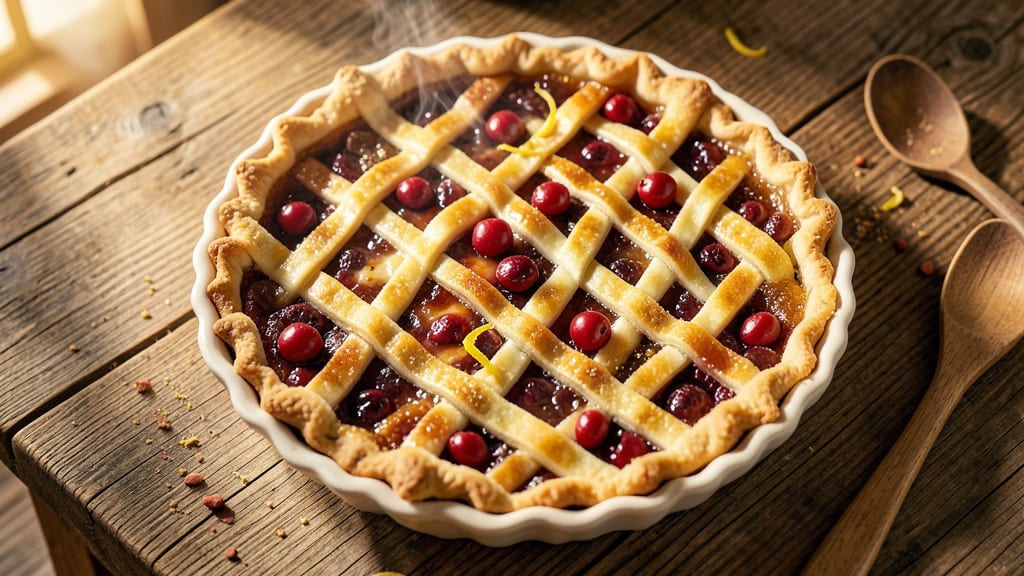
This Amish gooseberry pie recipe delivers the perfect balance of rustic charm and homemade comfort—flaky butter crust, lattice-topped perfection, and a filling so tart-sweet it’ll have everyone asking for seconds. The secret lies in a simple, foolproof crust technique that creates layers of melt-in-your-mouth flakiness, while the gooseberry filling transforms humble fruit into a jewel-toned masterpiece. I’ve baked this pie for family gatherings, and it’s always the first to disappear.
The beauty of this recipe is its adaptability—whether you’re using fresh gooseberries from a summer harvest or frozen berries in winter, the filling comes together with just a few pantry staples.
A classic Amish touch like an egg wash on the crust gives it that golden, bakery-style finish, while the lattice design adds both visual appeal and a satisfying crunch. The filling’s natural tartness is perfectly balanced with sugar and a touch of lemon, ensuring every bite is bright and flavorful.
By the time it emerges from the oven, you’ll have a pie that looks like it belongs on a farmhouse table—golden, fragrant, and just slightly crisp at the edges.
The crust stays tender, the filling bubbles with juicy berries, and the aroma alone will have your kitchen smelling like a summer afternoon. This isn’t just dessert; it’s a centerpiece that turns ordinary moments into something memorable.
Ready in under an hour with minimal fuss, this pie is ideal for potlucks, family dinners, or when you simply crave a taste of nostalgia. The best part? Leftovers reheat beautifully, making it the perfect make-ahead dessert. Let’s get baking!
Ingredients for amish gooseberry pie
Six ingredients make this pie legendary—flaky crust, jewel-toned filling, and a lattice that steals the show.
| Ingredient | Amount | Notes |
|---|---|---|
| All-Purpose Flour 🌾 | 2 ½ cups | Sifted for light texture |
| Cold Unsalted Butter 🧈 | 1 cup | Cut into small cubes |
| Granulated Sugar 🍚 | ¼ cup | For crust and filling |
| Gooseberries 🍇 | 4 cups | Fresh or frozen, pitted |
| Lemon Juice 🍋 | 2 tbsp | Freshly squeezed |
| Cornstarch 🌾 | 2 tbsp | For thickening filling |
| Large Eggs 🥚 | 1 whole | For egg wash |
| Salt 🧂 | ½ tsp | Fine sea salt |
| Vanilla Extract 🌸 | 1 tsp | Pure extract preferred |
| Ground Cinnamon 🌿 | ½ tsp | Optional for warmth |
| Heavy Cream 🥛 | ¼ cup | For lattice glaze |
The gooseberries are the star, so pick ripe but firm ones—they should pop when squeezed. Local farmers markets often have the best, but frozen works in a pinch (thaw and drain well). For the crust, cold butter is non-negotiable—it creates those perfect flaky layers. I always use Land O’Lakes unsalted butter because it’s consistent, but any good brand will do. The flour? King Arthur all-purpose is my go-to for that tender, melt-in-your-mouth texture. If you’re short on time, pre-made pie crust works, but trust me on the homemade version—it’s worth the extra 15 minutes.
No gooseberries? Red or black currants make a fantastic substitute—they’ve got that same bright, tangy kick. Short on butter? Coconut oil works in a bind, though it’ll taste slightly different. The lattice design might look intimidating, but it’s just strips of dough cut into thirds and woven over the filling. Use a pizza cutter or sharp knife for clean lines. For extra shine, brush the lattice with a mix of heavy cream and sugar before baking. And if you’re feeling fancy, add a sprinkle of turbinado sugar on top for crunch.
This pie tastes even better the next day—keep it at room temperature for 2 hours before serving so the filling sets up nicely. Store leftovers in the fridge for up to 4 days, but honestly, it’ll disappear faster than that. Freezes beautifully too—just wrap the whole pie in plastic wrap and foil for up to 3 months. Pro tip: Warm slices in the oven for 5 minutes to revive that bakery-fresh aroma. The crust stays crisp, the filling stays juicy, and every bite tastes like summer on a farmhouse table.
Why You'll Love This Recipe
- No Fuss Crust: I swear by that cold butter cut into flour—it’s the secret to a flaky crust that takes zero effort. No food processor, no rolling pins, just your fingers and a fork. Honestly, the dough comes together faster than I can finish my morning coffee.
- Tart-Sweet Magic: That lemon juice in the filling? It’s the game-changer. The gooseberries get bright, the sugar caramelizes just enough, and the crust stays crisp. Between us, it’s the kind of pie that makes you pause mid-slice to take a second bite—no one in my house ever leaves crumbs.
- Weekend or Weeknight: Make it ahead for a picnic, bake it fresh for company, or even reheat slices for a lazy Sunday. The crust holds up beautifully, and the gooseberries keep their texture whether it’s served warm or at room temperature. (Yes, even on a Tuesday night.)
- Budget-Friendly Staples: Flour, butter, sugar—these are pantry basics. Gooseberries? You can freeze them or use them fresh when they’re cheap at farmers' markets. I’ve made this pie for under $8 total, and it’s always the star of the table. Practical? Absolutely. Delicious? Ridiculously so.
Step-by-step instructions for Amish gooseberry pie
Here's how to create a flaky crust filled with gooseberries that burst with tart-sweet perfection.
Prepare the Classic Pie Crust
In a large bowl, combine the 2.5 cups all-purpose flour and 0.5 teaspoon salt. Cut in the 1 cup cold unsalted butter using a pastry cutter or your fingers until the mixture resembles coarse crumbs with pea-sized butter pieces. This ensures a tender, flaky texture rather than a tough one.
Gradually add 0.25 cup granulated sugar and mix until evenly distributed. Sprinkle in 0.25 cup heavy cream and gently toss with a fork until the dough just begins to come together. Avoid overworking it—just enough to hold when pressed. Divide the dough into two equal portions, flatten into discs, wrap in plastic, and refrigerate for at least 1 hour.
Create the Gooseberry Filling
In a large bowl, combine the 4 cups gooseberries with 2 tablespoons lemon juice and 0.5 teaspoon ground cinnamon. Let this mixture sit for 15 minutes to allow the flavors to meld and the juices to release. This step enhances the natural tartness of the berries.
In a separate small bowl, whisk together 2 tablespoons cornstarch and 1 tablespoon granulated sugar. Gradually stir this mixture into the gooseberry preparation. Cook over medium heat in a saucepan for 5-7 minutes, stirring constantly until the filling thickens to a jam-like consistency. Remove from heat and stir in 1 teaspoon vanilla extract. Let cool completely before filling the pie.
Assemble the Pie
Preheat your oven to 375°F. Roll out one of the chilled pie crust discs on a lightly floured surface until it's about 12 inches in diameter. Transfer it to a 9-inch pie dish and press gently to fit. Trim any excess dough hanging over the edge. Pour the cooled gooseberry filling into the prepared crust, mounding it slightly in the center.
Roll out the second pie crust disc and cut it into strips about 1 inch wide. Arrange these strips in a lattice pattern over the filling, alternating directions for a classic Amish look. Brush the lattice with a beaten egg wash made from the 1 whole large egg mixed with 1 tablespoon water for a golden finish.
Bake to Golden Perfection
Place the assembled pie on a baking sheet lined with parchment paper to catch any drips. Bake for 45-50 minutes until the crust is deep golden brown and the filling is bubbling gently. The edges should be golden and slightly puffed.
Remove the pie from the oven and let it cool on a wire rack for at least 2 hours before slicing. This resting period allows the filling to set properly and prevents a runny pie. The aroma filling your kitchen will be worth every minute of waiting!
Serve with Confidence
Slice the pie into 6 equal wedges using a sharp knife and a gentle sawing motion. Serve warm or at room temperature with a dollop of whipped cream or a scoop of vanilla ice cream to balance the tart-sweet filling. The crust should be flaky and crisp, while the filling should be thick enough to hold its shape but still juicy.
Here's the thing—this pie tastes even better the next day as the flavors meld together. Store any leftovers in an airtight container in the refrigerator for up to 3 days. Enjoy your homemade Amish gooseberry pie!
Pro Tips For Making Amish Gooseberry Pie
- Chill the Butter Properly: I learned this the hard way—when the butter gets even slightly warm, the crust turns into a greasy mess instead of flaky layers. Wrap the cold butter in parchment paper, then freeze it for 20 minutes before cutting into the flour. That extra cold snap makes all the difference for a crisp, layered bottom crust.
- Pre-Cook the Gooseberries: Skip the raw gooseberries—trust me, you’ll regret it. Simmer them with sugar and lemon juice for 5-7 minutes until they soften and release their juice. This cuts down on pie filling wateriness and gives you that classic Amish gooseberry texture: tender but not mushy.
- Don’t Overfill the Crust: I used to pack the filling right to the top, thinking more gooseberry goodness meant better pie. Wrong. The filling expands when it bakes, and you end up with a soggy bottom crust. Fill it only three-quarters full, then dot the top with extra butter for that golden, bubbly crust.
- Use a Baking Sheet Shield: Place a rimmed baking sheet under the pie before sliding it into the oven. The gooseberry filling has a habit of bubbling over, especially if you’re impatient and peek too early. A little insurance keeps your countertop clean—and your pie intact.
Troubleshooting great amish gooseberry pie
Filling Too Runny?
If your gooseberry filling looks too thin after baking, it likely didn’t thicken enough during cooking. I’ve found that using cornstarch (not flour) is key—it thickens without adding a gritty texture. For next time, try cooking the filling 2-3 minutes longer over low heat after the cornstarch slurry is added.
Also, make sure your gooseberries are fully pitted—seeds release extra moisture that can dilute the filling. 🌡️
Crust Turning Soggy
A soggy bottom crust usually means the filling was too wet or the crust wasn’t pre-baked. To fix this, blind-bake the bottom crust for 10-12 minutes at 375°F before adding filling. For extra insurance, sprinkle a thin layer of crushed cornflakes or finely chopped nuts between the crust and filling.
This creates a barrier that absorbs excess moisture while adding texture. Trust me, it works like a charm! ⚡
Lattice Not Holding Shape
If your lattice strips collapse or look messy, it’s probably because the dough was too warm when rolling. Always keep your dough chilled until ready to use, and roll it out on a lightly floured surface with a sharp knife or pizza cutter for clean cuts.
For extra stability, brush the lattice strips with egg wash before weaving them over the filling. This helps them set faster and maintain their structure during baking. 🧑🍳
Fruit Not Cooked Through
Undercooked gooseberries can make your pie taste raw and unappetizing. To avoid this, pre-cook the filling until it’s thick and jam-like (it should coat the back of a spoon). If you’re using frozen berries, thaw and drain them thoroughly first.
For an extra insurance policy, bake the pie at 350°F instead of 375°F for the first 20 minutes, then increase to 375°F to finish. This gentler start helps the filling cook evenly without burning the crust. 🍇
Crust Burning Before Filling Sets
A golden crust is beautiful, but if it burns before the filling is set, try covering the edges with a pie shield or strips of foil.
For a rustic look, I sometimes brush the edges with extra egg wash and sprinkle them with turbinado sugar—this creates a caramelized crust while protecting the filling. If your oven runs hot, reduce the temperature by 25°F and add 5-10 extra minutes to the baking time.
Patience is key here! 🔥
Nutrition facts
Frequently asked questions
Can I substitute gooseberries in this recipe? If fresh gooseberries are hard to find, red or black currants make excellent substitutes—they have a similar tartness. You can also use raspberries or blackberries, but reduce the sugar slightly (1 tablespoon less) since they're sweeter. Just
Why does the crust need to rest in the fridge?
The 1-hour chilling is crucial for a flaky crust. Cold butter stays firm, creating distinct layers when baked. If you skip chilling, the butter melts too quickly, resulting in a tough, dense crust. Pro tip: Place the dough between two sheets of parchment paper to prevent sticking during chilling.
How do I make the lattice look perfect?
Use a sharp knife or pizza cutter to cut clean strips, about 1 inch wide. Weave them in a simple over-under pattern, starting with a full strip across the top. Brush strips with egg wash before placing them on the pie to help them hold shape. For extra stability, chill the lattice-covered pie for 15 minutes before baking.
Can I make this pie ahead of time?
This pie tastes even better the next day! Assemble it completely, then refrigerate uncovered for 2 hours before baking. For make-ahead dessert, bake the pie 1 day ahead and store at room temperature in an airtight container. Reheat slices in the oven for 5 minutes at 350°F to restore that bakery-fresh aroma.
What's the secret to a flaky crust?
Three things: cold butter, minimal handling, and proper layering. Cut butter into flour until it resembles coarse crumbs (pea-sized pieces), then fold in just enough liquid to hold. Work quickly and keep everything cold. The egg wash adds shine and helps create that signature Amish golden crust.