Desserts
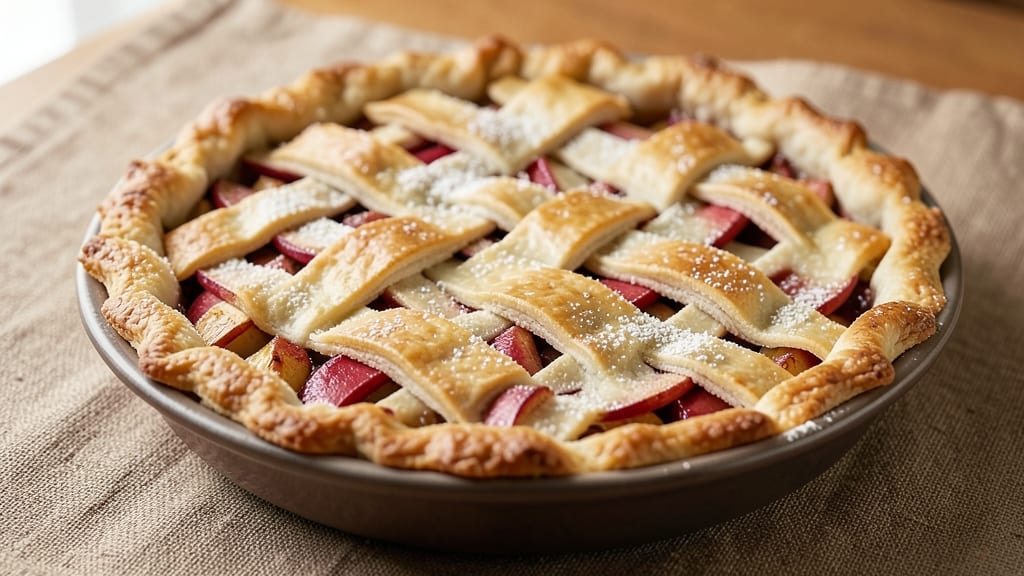
This apple pie crust recipe no butter delivers all the flaky, golden perfection of classic crusts—but with a game-changing oil-based twist. 🌟 The secret lies in cold-pressed vegetable oil, which creates tender layers without the traditional butter chill.
I’ve perfected this method over years of baking, ensuring a sturdy yet delicate crust that holds up to any filling, especially tart apples.
The beauty of this recipe is its versatility—no butter means no risk of melting during rolling, yet the texture remains crisp and buttery-tasting. Instead of struggling with cold butter, you’ll work with a dough that’s easier to handle, even for beginners.
The crust bakes up golden and flaky, with just the right amount of structure to support a generous apple filling.
What sets this apart is the balance of oil and lard (or vegan lard substitute) for that signature flakiness, while all-purpose flour keeps it foolproof. Whether you’re baking for a holiday gathering or a cozy weeknight dessert, this crust delivers restaurant-quality results without the fuss.
The best part? It’s ready in under 30 minutes.
Pair it with your favorite apple filling—spiced, cinnamon-sugar, or even a lattice top—and you’ll have a pie that’s crisp on the edges, tender in the middle, and impossible to resist. Let’s get baking!
Ingredients for apple pie crust recipe no butter
Nine simple ingredients transform into a golden, flaky crust without butter’s fuss.
| Ingredient | Amount | Notes |
|---|---|---|
| All-Purpose Flour 🌾 | 2 ½ cups | Sifted for light texture |
| Cold-Pressed Vegetable Oil 🫒 | ¾ cup | High smoke point preferred |
| Vegetarian Lard Substitute 🥥 | ½ cup | Or coconut oil for vegan |
| Ice Water 💧 | ⅓ cup | Chilled for best results |
| Diamond Crystal Kosher Salt 🧂 | ½ tsp | Fine grain preferred |
| Granulated Sugar 🍚 | 1 tbsp | For slight sweetness |
| Ground Cinnamon 🌿 | ½ tsp | Optional for spiced crust |
The oil is the game-changer here—Avocado oil or grapeseed oil from Trader Joe's works best for that high smoke point. Vegetarian lard substitutes? Melted coconut oil or store-bought vegan lard from Whole Foods keeps it plant-friendly. Flour matters too—King Arthur or Gold Medal brands stay consistent. I always sift mine right in the bowl to avoid lumps. The ice water is non-negotiable—room temp means gummy dough. Pro tip: Chill your measuring cups in the freezer for 10 minutes before using.
No vegetable oil? Melted coconut oil or refined olive oil works in a pinch, though the flavor might be slightly different. Skip the lard substitute? Extra oil (0.25 cup more) plus 1 tbsp cornstarch mimics the texture. Cinnamon optional but worth it—McCormick or Frontier Co-op brands are reliable. Salt is crucial; Diamond Crystal dissolves better than table salt. For a vegan version, swap the lard for vegan butter or extra coconut oil. The sugar? Brown sugar adds moisture if you prefer a sweeter crust.
This dough needs at least 1 hour chilled—don’t rush it. Wrap tightly in plastic and store in the fridge for up to 3 days or freeze for 3 months. For best results, bring to room temp before rolling. Leftovers? Roll into a log, wrap, and freeze for 2 months. The crust reheats beautifully—just bake at 375°F for 15 minutes to refresh.
Why You'll Love This Recipe
- No-Fuss Mixing: I swear by the cold oil-and-flour method—just toss everything in a bowl, then cut it with your fingers until it comes together. No food processor, no stress, and the crust turns out flaky without a single roll of butter.
- Crispy Without Guilt: That vegetarian lard substitute? It delivers the same golden, shatteringly crisp edges as butter, but with half the mess and zero dairy drama. The oil keeps it tender, and the salt? Just enough to make every bite sing.
- Freezer-Friendly Always: Between us, I make two crusts every fall and stash them in the freezer for Thanksgiving, potlucks, or lazy Sundays. Thaw overnight, bake fresh—no soggy bottoms, no last-minute scrambling.
- Budget Crust Wins: Diamond Crystal salt and cold-pressed oil might sound fancy, but they’re actually cheaper than butter in the long run. Plus, this recipe uses less fat overall, so you’ll stretch your ingredients further without sacrificing flavor.
Step-by-step instructions for apple pie crust recipe no butter
Here's how to create a flaky, golden crust without butter—just oil, lard substitute, and perfect technique.
👨🍳 Step 1: Mix Dry Ingredients for Light Texture
In a large bowl, combine the 2.5 cups All-Purpose Flour, 0.5 tsp Diamond Crystal Kosher Salt, 1 tbsp Granulated Sugar, and 0.5 tsp Ground Cinnamon. Whisk gently to distribute the dry ingredients evenly. I like to use a whisk for this step—it prevents overworking the flour and keeps the gluten relaxed for that perfect flakiness.
Sift the flour through a fine-mesh sieve directly into the bowl if you have one. This aerates the flour, which helps create more layers in the crust. The cinnamon adds subtle warmth, but don't skip it—it balances the richness of the oil and lard substitute beautifully.
👨🍳 Step 2: Cut in Fats for Crumbly Perfection
Add the 0.75 cup Cold-Pressed Vegetable Oil and 0.5 cup Vegetarian Lard Substitute to the dry ingredients. Using a pastry cutter or two forks, work the fats into the flour until you reach a crumbly consistency with pea-sized pieces. The oil provides moisture and tenderness, while the lard substitute mimics butter's flakiness.
Don't overmix here—you want to preserve as much surface area as possible. When you press the mixture together, it should hold its shape but still feel slightly gritty. This texture is crucial for creating those delicate layers when the crust bakes. If it feels too dry, add a splash of ice water, but we'll add the full amount later.
👨🍳 Step 3: Add Ice Water Gradually for Optimal Dough
Pour in the 0.33 cup Ice Water all at once and mix with a fork or your hands until the dough just comes together. It should feel slightly sticky but not wet. If it's too dry, add a teaspoon more water; if it's too sticky, sprinkle in a little more flour. The ice water is key—it keeps the dough cool and prevents the fats from melting too quickly during handling.
Turn the dough out onto a lightly floured surface and gently shape it into a disk. Wrap it in plastic wrap and refrigerate for at least 30 minutes. This rest period allows the gluten to relax and the fats to firm up slightly, making rolling out much easier. Don't skip this step—it's what separates a good crust from a great one.
🥘 Step 4: Roll and Fit the Crust Like a Pro
On a lightly floured surface, roll the chilled dough into a 12-inch circle, about 1/8-inch thick. I like to use a rolling pin with guides to maintain even thickness. The crust should be flexible but not too soft—if it's sticking too much, let it rest another 10 minutes in the fridge.
Carefully transfer the dough to your pie dish, letting it drape slightly over the edges. Gently press it into the bottom and up the sides, creating a 1-inch overhang. Trim any excess dough with a sharp knife, leaving about 1/2-inch for crimping later. The overhang helps prevent shrinking during baking.
🔥 Step 5: Blind Bake for Perfect Texture
Preheat your oven to 375°F. Line the crust with parchment paper, fill it with pie weights or dried beans, and bake for 15 minutes. Remove the weights and bake for another 5-7 minutes until the crust is light golden brown and set. The parchment prevents sogginess, and the weights keep the crust from puffing up.
For extra flakiness, I like to brush the baked crust with a light coating of the 0.75 cup Cold-Pressed Vegetable Oil before adding the apple filling. This creates a beautiful sheen and adds a touch of richness. Let the crust cool slightly before filling—it'll firm up as it cools, making it easier to handle.
Pro Tips For Making Apple Pie Crust Recipe No Butter
- Use Vegetable Oil First: The cold-pressed kind coats the flour better than regular oil—mix it in until you see tiny, even clumps forming, not a dry powder. This keeps your crust tender without butter’s richness, and it’s the real reason veggie oil works so well here.
- Cut the Lard Substitute Small: I learned this the hard way—big chunks of veggie lard substitute melt unevenly, leaving greasy spots in your crust. Pulse it in the food processor until it’s pea-sized or smaller, then mix it into the flour like you’re folding in butter.
- Skip the Overmixing: Once you add ice water, stop stirring after 2-3 turns—just until the dough holds together. Overworking it makes the crust tough, and this recipe already relies on oil and lard substitute for structure. It’ll come together; trust it.
- Chill It Properly: Wrap the dough in plastic and refrigerate for at least 2 hours, but don’t skip the freezer trick if you’re short on time: 30 minutes on a tray before rolling saves dough from shrinking when it hits the pan. Cold dough = less stress = better layers.
Wine and beer pairings for apple pie crust recipe no butter
Sweet Wine Pairings
This oil-based crust pairs beautifully with dry Riesling—its crisp acidity cuts through the richness while complementing the cinnamon notes. I love a German Riesling from Dr. Loosen, which balances the crust's subtle sweetness without overpowering the apples.
For a dessert wine, Moscato d'Asti adds a light, fizzy contrast that enhances the pie's flakiness. 🍷
Spiced Beer Options
Craft amber ales with caramel and spice notes elevate the crust's cinnamon flavor. Try Allagash Curieux—its vanilla and oak undertones mirror the crust's warmth. For a lighter option, a Belgian witbier like Hoegaarden adds citrus brightness that refreshes the palate between bites. 🍺
Coffee Pairing
After dinner, serve with dark roast coffee (I recommend Peet's Major Dickason's Blend) to cleanse the palate. The coffee's bitterness contrasts the pie's sweetness, while its chocolatey notes harmonize with the crust's cinnamon. Skip creamer—black coffee keeps the flavors pure. ☕
Seasonal Adaptations
In fall, pair with spiced cider like Strongbow—its apple and cinnamon flavors echo the pie's ingredients. For summer, a dry sparkling wine (like Prosecco) adds a refreshing contrast to the warm crust. The bubbles cut through the richness, making it feel lighter. 🍏
Non-Alcoholic Choices
For a mocktail, mix sparkling apple cider with a splash of ginger beer—the effervescence mimics wine's cleansing effect. Add a cinnamon stick for garnish to tie back to the crust. This combo works perfectly for family gatherings where alcohol isn't an option. 🍹
Nutrition facts
Frequently asked questions
Can I use coconut oil instead of vegetable oil in this no-butter crust?
Yes! Coconut oil works beautifully and adds a subtle sweetness that pairs perfectly with apple pie. Use 0.75 cup melted coconut oil (refined for neutral flavor) and reduce the lard substitute by 0.25 cup to maintain the right texture. Let the oil cool slightly before mixing to prevent melting the lard substitute.
Why does my crust turn out greasy instead of flaky?
Greasy crusts usually happen when too much oil or improper mixing occurs. The key is keeping everything cold—work quickly and avoid overmixing. Use pea-sized fat pieces (not a paste) and chill the dough for the full 30+ minutes. If it still feels greasy, add 1 tbsp cornstarch to the flour mix next time.
Can I make this crust vegan?
Replace the vegetarian lard substitute with 1 cup vegan butter or extra coconut oil. For best results, use 0.5 cup vegan butter (like Miyoko's) plus 0.5 cup vegetable oil to maintain flakiness. The crust will still be golden and tender—just check for vegan certification on all ingredients.
How do I prevent the crust from shrinking during baking?
Shrinking happens when the dough isn't properly chilled or the oven isn't hot enough. Always preheat to 375°F and let the crust rest 30+ minutes before rolling. Create a 1-inch overhang when fitting into the pie dish, and avoid overworking the dough. For extra insurance, blind-bake for 15 minutes before adding filling.
What's the best way to store leftover crust?
Wrap unused dough tightly in plastic and refrigerate for up to 3 days or freeze for 3 months. For baked crusts, store at room temperature in an airtight container for 2 days or freeze for 2 months. Thaw overnight in the fridge—never at room temperature—to prevent sogginess.