
Main Courses
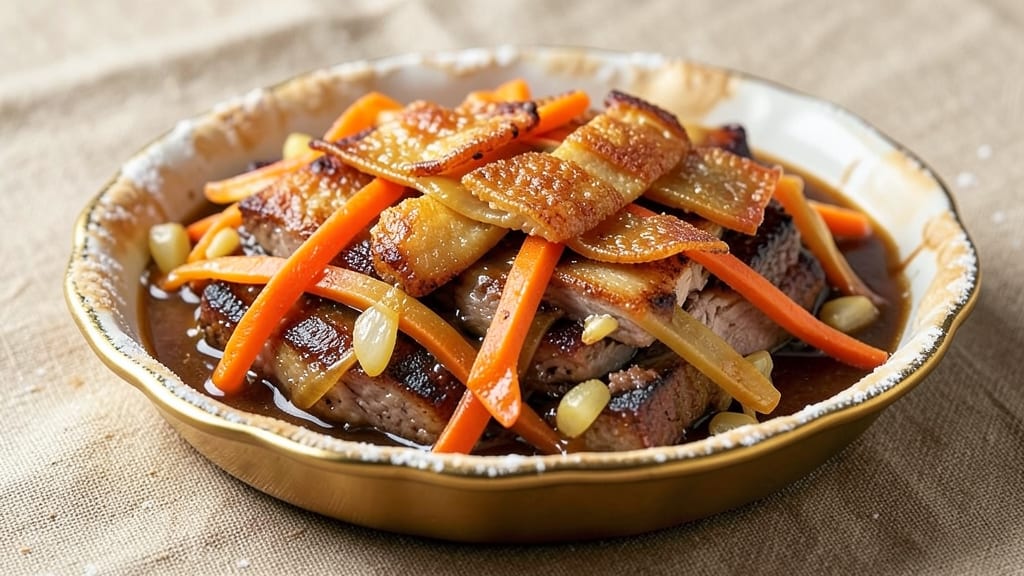
This pork pie filling recipe transforms humble pork shoulder into a rich, spiced centerpiece that belongs in any skillet or pie dish. 🔥 After years of perfecting the balance between tender meat and aromatic spices, I've developed a method that delivers that classic British pub-style filling—just without the crust.
The secret lies in slow-cooked pork that practically melts in your mouth, infused with nutmeg, cloves, and a touch of mustard for depth.
What sets this recipe apart is the traditional approach: mincing the pork finely for even cooking and building layers of flavor through careful spicing. The filling thickens beautifully as it bakes, creating that signature velvety texture that makes pork pies legendary.
I use a combination of pork shoulder and belly for maximum juiciness, ensuring every bite is packed with flavor while staying tender.
The result is a savory meat and spice harmony that works equally well as a standalone dish or tucked into a flaky pastry. The spices—nutmeg, cloves, and allspice—create a warm, comforting aroma that fills your kitchen, while the mustard and Worcestershire sauce add that signature tangy depth.
This isn't just filling; it's a centerpiece that deserves its own spotlight.
For those who want to take it further, I'll show you how to turn this into a complete meal with optional crust options or serve it alongside roasted vegetables for a hearty dinner.
The technique is straightforward, but the flavor payoff is restaurant-quality. Let's get started on creating this timeless classic.
Ingredients for pork pie filling
Pork shoulder, belly, and aromatic spices create this velvety filling that's perfect for pies or skillets.
| Ingredient | Amount | Notes |
|---|---|---|
| Pork Shoulder 🍖 | 1 ½ lb | Bone-in for flavor, cut into small cubes |
| Pork Belly 🥓 | ½ lb | Skin removed, finely diced |
| Yellow Onion 🧅 | 1 whole | Finely chopped, about 1 cup |
| Carrot 🥕 | 2 whole | Peeled, finely diced |
| Garlic Cloves 🧄 | 4 cloves | Minced for even distribution |
| All-Purpose Flour 🌾 | ¼ cup | For thickening the filling |
| Dijon Mustard 🍯 | 1 tbsp | For tangy depth |
| Worcestershire Sauce 🍶 | 1 tbsp | For umami richness |
| Ground Nutmeg 🌿 | ½ tsp | Freshly grated preferred |
| Ground Cloves 🌶️ | ¼ tsp | Whole cloves work too |
| Ground Allspice 🌶️ | ¼ tsp | For warm spice complexity |
| Beef Stock 💧 | 1 cup | Low-sodium preferred |
| Unsalted Butter 🧈 | 2 tbsp | For richness and moisture |
| Salt 🧂 | 1 tsp | Adjust to taste |
| Black Pepper 🌶️ | ½ tsp | Freshly ground preferred |
The pork cuts are everything here. Pork shoulder gives that classic fall-apart texture, while the belly adds fat for juiciness. I always grab these from the butcher counter at Whole Foods or Trader Joe's—they cut them perfectly for this recipe. If you're using pre-cut pork shoulder, ask for the bone-in version; it adds flavor. The spices? Penzeys Spices has the best ground nutmeg and cloves, but the regular grocery store stuff works fine. Just make sure they're fresh—no dusty jars here.
No Dijon mustard? Yellow mustard at half the amount works in a pinch. Worcestershire sauce missing? Soy sauce or balsamic vinegar adds depth, though it won't be identical. The beef stock can be swapped for vegetable stock if you're avoiding meat-based liquids. For the flour, if you're gluten-free, cornstarch or arrowroot powder thickens just as well. The carrots and onions can be swapped for celery if you prefer a different texture—just keep the ratio similar. And trust me, the butter is worth the extra minute to melt it gently.
This filling reheats like a dream—just warm it through in a skillet with a splash of stock. Keeps for 4 days in the fridge, or freeze for 3 months. I always make extra and freeze portions for quick pies later. The butter layer on top helps it stay moist, so don't skip that. If you're making a pie, pre-cook the filling to thicken it properly before adding the crust. For skillet meals, just cook it until bubbly and serve with crusty bread.
Why You'll Love This Recipe
- One-Pot Magic: I swear by this—just toss the pork shoulder, pork belly, onions, and carrots into a pot with garlic and stock, then let it simmer. No chopping like a pro, no fancy techniques, just hands-off cooking while you do the dishes or scroll through memes.
- Layered Flavor Bomb: That crispy pork belly meets tender shoulder, all kissed by caramelized onions and garlic? It’s the kind of taste that makes you slow down mid-bite. Honestly, the first time I made it, I ate a spoonful straight from the pot.
- Leftovers That Shine: This filling keeps for days—perfect for stuffing pies, wrapping in pastry, or just reheating with a splash of gravy. I’ve turned last night’s filling into today’s lunch with zero effort, and it’s always better the second time around.
- Budget-Friendly Feast: Pork shoulder and belly stretch further than you’d think, and the veggies bulk it up without breaking the bank. Between us, this is how I feed my family for under $15—no sad leftovers, just happy stomachs.
Step-by-step instructions for pork pie filling
This rich, spiced filling delivers authentic pork pie flavor in one skillet.
🔥 Step 1: Sear the Pork for Deep Flavor
Heat a large skillet over medium-high heat until hot. Add the 1.5 lb pork shoulder and 0.5 lb pork belly in batches to avoid crowding. Sear for 4-5 minutes per side until the meat develops a deep golden-brown crust. You'll smell that glorious meaty aroma—this is where all the flavor starts.
Once browned, remove the pork and set aside. Don't drain the fat—this rendered pork fat will become the base of your filling. If the pan gets too smoky, reduce heat slightly but keep it sizzling. The crust you create now will give your filling that classic pork pie richness.
👨🍳 Step 2: Sauté Aromatics Until Fragrant
In the same skillet (with all that wonderful rendered fat), add the 2 tbsp unsalted butter and let it melt. Add the finely chopped yellow onion and peeled, finely diced carrots. Cook for 5-6 minutes until softened and starting to caramelize—this is where the sweetness develops.
Add the 4 minced garlic cloves and cook for another 30 seconds until fragrant. You should smell that sweet garlic aroma filling your kitchen. Here's where it gets good—sprinkle in the 0.5 tsp ground nutmeg, 0.25 tsp ground cloves, and 0.25 tsp ground allspice. Stir gently so the spices bloom and release their warm, aromatic oils.
🍳 Step 3: Build the Filling Base
Return the seared pork to the skillet. Stir in the 1 tbsp Dijon mustard and 1 tbsp Worcestershire sauce—these add that tangy, umami depth that makes this filling special. Pour in the 1 cup beef stock and bring to a gentle simmer. Let it cook uncovered for 10-12 minutes until the liquid reduces by about half.
Now for the thickening—sprinkle in the 0.25 cup all-purpose flour and stir vigorously for 1-2 minutes until completely incorporated. The mixture will thicken noticeably. If it gets too thick too soon, add a splash of water or stock to loosen it. This step creates that perfect pie filling consistency—thick enough to hold its shape but still moist.
⏰ Step 4: Season and Simmer to Perfection
Add the 1 tsp salt and 0.5 tsp black pepper, stirring well to distribute evenly. Let the filling simmer gently for another 8-10 minutes until it reaches your desired consistency. It should coat the back of a spoon but still be spoonable—not gluey. Taste and adjust seasoning if needed.
Here's the thing—real pork pie filling has character. If it tastes a bit rich, that's perfect. The spices should be present but not overpowering. The pork should be tender enough to pull apart with a fork but still have some bite. When you're happy with the flavor and texture, remove from heat and let it cool slightly before serving.
Pro Tips For Making Pork Pie Filling
- Render Fat Slowly: Pork belly and shoulder release fat at different speeds—don’t rush it. Start with a cold pan, then turn the heat to medium-low once the meat hits the surface. I learned this the hard way when my first batch turned greasy and uneven; patience here guarantees a rich, glossy filling.
- Dice Onions Uniformly: Chop yellow onions into even ¼-inch cubes—no small pieces, no large chunks. Uneven sizes mean some cook to mush while others stay crunchy. My grandmother swore by this, and she was right: consistency is the thing that matters most for texture.
- Don’t Overcrowd the Pan: Pork pie filling needs room to breathe. If you dump all the meat and veggies in at once, you’ll steam instead of brown. Work in batches—add half, sear until golden, then push to the side and repeat. Yes, it takes a little longer, but the flavor pays off.
- Finish with Garlic: Crush garlic cloves into a paste before adding them—this prevents burning. Toss them in during the last 30 seconds of cooking, when the filling is already warm. I was skeptical until I tried it: the garlic stays fragrant instead of bitter.
Serving suggestions for leftovers
Crusty Complements
Serve this filling warm with a classic shortcrust pastry or puff pastry for an authentic pork pie experience. I recommend using store-bought puff pastry from the refrigerated section of your grocery store—Pepperidge Farm or Whole Foods brands work beautifully.
For a homemade touch, try a simple butter crust made with 2 cups all-purpose flour, 1 cup cold butter, ½ cup ice water, and 1 tsp salt. 🥧
If you're skipping the crust entirely, pair the filling with crusty sourdough bread or brioche rolls for dipping. The bread's texture contrasts perfectly with the rich, velvety filling.
For extra flair, sprinkle the bread with flaky sea salt and serve with a side of apple chutney or mustard sauce to cut through the richness.
Vegetable Pairings
Roasted carrots and parsnips add a sweet, earthy balance to the savory filling. Toss 2 cups chopped carrots and 1 cup chopped parsnips with 2 tbsp olive oil, 1 tsp thyme, ½ tsp salt, and roast at 400°F for 25 minutes until tender.
The natural sweetness of the vegetables complements the spices in the filling beautifully. 🥕
For a lighter option, serve with a simple green salad featuring arugula, shaved fennel, and lemon vinaigrette. The peppery bite of arugula and the crispness of fennel refresh your palate after each bite of the rich filling.
I like to add ¼ cup crumbled feta cheese for a tangy contrast.
Beverage Pairings
A bold red wine like Cabernet Sauvignon or Malbec stands up to the rich, spiced flavors of the filling. The tannins in the wine cut through the fat, cleansing your palate between bites.
For a lighter option, try a dry Riesling—its acidity balances the richness without overpowering the dish. 🍷
If you prefer beer, a dark ale or porter pairs wonderfully. The maltiness and roasted notes in the beer echo the spices in the filling. I recommend Guinness or a Belgian dubbel for the best match.
For non-alcoholic options, sparkling apple cider or ginger beer adds a refreshing contrast to the savory filling.
Make-Ahead Magic
This filling reheats beautifully, making it perfect for meal prep. Store leftovers in an airtight container in the refrigerator for up to 4 days. To reheat, transfer to a skillet over medium-low heat and add 2-3 tbsp beef stock or water to prevent drying.
Stir occasionally until warmed through—about 5-7 minutes. 💫
For freezing, portion the filling into quart-sized freezer bags or glass containers, leaving 1 inch of headspace for expansion. Freeze for up to 3 months. To serve from frozen, thaw overnight in the refrigerator, then reheat as directed.
I often make a double batch and freeze half for quick pies later in the week.
Nutrition facts
Frequently asked questions
Can I use ground pork instead of diced pork shoulder and belly?
While you can substitute ground pork, you'll lose that classic texture and depth of flavor. The diced cuts create a more luxurious, melt-in-your-mouth consistency with layers of fat and meat. If you must use ground pork, look for a high-quality, coarse-ground version and reduce the cooking time by 3-4 minutes to prevent overcooking.
How do I know when the filling is done?
The filling is perfect when it coats the back of a spoon but still holds its shape when chilled. It should be thick enough to spread smoothly but not gluey. The pork should be tender enough to pull apart with a fork but still have a slight bite. If it's too liquidy, simmer uncovered for 2-3 more minutes to thicken.
Can I make this filling ahead of time?
This filling actually tastes better the next day as the flavors meld. Store in an airtight container in the fridge for up to 4 days. For freezing, portion into containers with 1-inch headspace and freeze for up to 3 months. Thaw overnight in the fridge before reheating—never at room temperature.
What if I don't have Dijon mustard?
No problem! Use yellow mustard at half the amount or swap with 1 tbsp apple cider vinegar + ½ tsp sugar for similar tang. The mustard adds depth, but these alternatives work in a pinch. If you're avoiding mustard entirely, increase the Worcestershire sauce by ½ tablespoon for extra umami.
Can I make this vegetarian?
This recipe relies on pork for its signature flavor, but you could create a similar texture with mushrooms and lentils. Use 1 lb cremini mushrooms (finely chopped) and ½ cup cooked lentils, plus extra vegetable stock. The spices and mustard would still work, though the flavor profile would be quite different. For a closer match, try soyrizer crumbles as a meat substitute.