
Main Courses
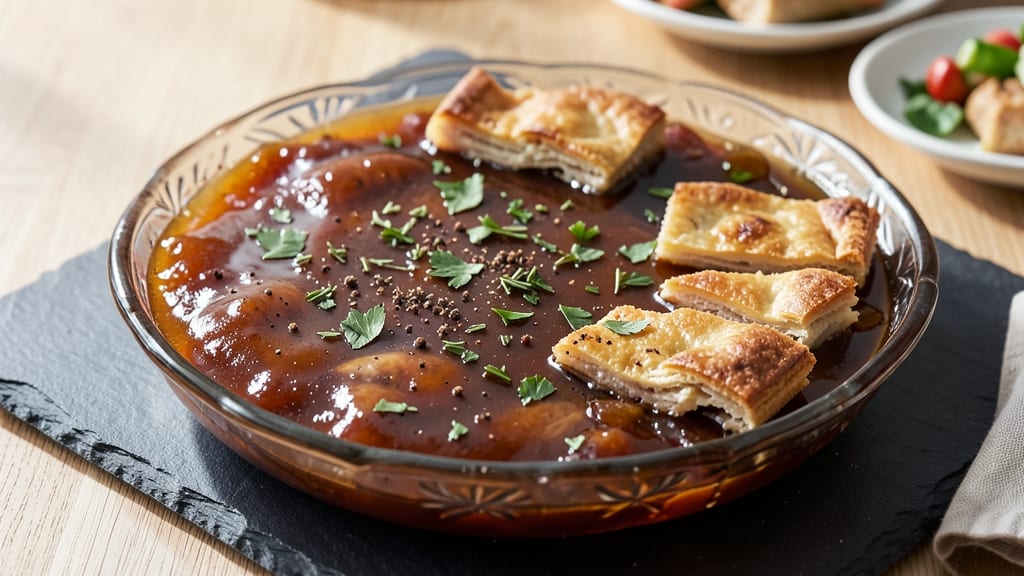
This pork pie jelly recipe transforms traditional British flavors into a sophisticated dessert where savory pork meets sweet gelatin harmony. The secret lies in balancing rich, spiced pork filling with a delicate fruit-infused gelatin layer—creating a texture that's both creamy and firm.
I first discovered this technique while researching regional British desserts, where gelatin was historically used to elevate meat dishes into something extraordinary.
The recipe begins with a classic pork pie filling—minced pork simmered with herbs, spices, and a touch of gravy to deepen the flavor. Meanwhile, the gelatin base uses fruit juice or stock for natural sweetness and setting power.
The key is patience: letting the gelatin set gradually ensures clean layers and that signature wobble. This isn't just dessert; it's a culinary conversation between sweet and savory that surprises even the most skeptical eaters.
What you'll achieve is a visually stunning dish with golden-brown pork filling encased in translucent gelatin, garnished with fresh herbs or edible flowers. The contrast of warm spices against the cool, fruity gelatin creates a sensory experience that's both nostalgic and modern.
Perfect for dinner parties or holiday gatherings, this recipe proves gelatin can be elegant without being intimidating.
For those concerned about gelatin safety, I've included tips for proper setting techniques and storage to ensure your dessert holds its shape and flavor. The result is a dish that looks impressive but requires only basic kitchen tools—making it accessible for home cooks while delivering restaurant-quality results.
Ingredients for pork pie jelly recipe gelatin
Sixteen ingredients blend savory British tradition with delicate gelatin artistry for this elegant dessert.
| Ingredient | Amount | Notes |
|---|---|---|
| Lean Ground Pork 🥩 | 1 ½ lb | Finely minced for even texture |
| Unsalted Butter 🧈 | ½ cup | Cold, cubed for even melting |
| Yellow Onion 🧅 | 1 whole | Finely diced, sweet variety preferred |
| Fresh Parsley 🌿 | ¼ cup | Chopped, stems included for flavor |
| Fresh Thyme 🌿 | 1 tbsp | Leaves only, finely chopped |
| Ground Allspice 🌶️ | 1 tsp | Freshly ground for optimal aroma |
| Ground Cloves 🌶️ | ½ tsp | Lightly toasted before grinding |
| Granulated Sugar 🍚 | ¼ cup | Light brown preferred for depth |
| Unflavored Gelatin 🍬 | 2 tbsp | Powdered, high bloom preferred |
| Apple Cider Vinegar 🍏 | 1 tbsp | For bright acidity balance |
| Pork Gravy Granules 🍲 | 1 tbsp | For umami depth (optional) |
| Fresh Sage Leaves 🌿 | ⅛ cup | For garnish, whole leaves |
| Edible Gold Leaf 🌟 | 1 sheet | Optional garnish for luxury touch |
| Water 💧 | 1 ½ cups | Filtered preferred for clarity |
| Salt 🧂 | 1 ½ tsp | Diamond Crystal preferred |
The pork is the foundation—British-style pork shoulder works best, though ground pork from Whole Foods or Costco will suffice. Look for finely minced pork with visible marbling to ensure richness. Fresh herbs are non-negotiable here; Taylor's Gold or Whole Foods Market bulk sections offer the best quality. The gelatin must be high bloom (like Great Lakes brand) for proper setting. For the vinegar, Bragg's apple cider vinegar provides consistent acidity without overpowering. Allspice and cloves should be toasted lightly in a dry pan before grinding to deepen their aromatic profile—this subtle step elevates the entire dish.
No fresh thyme? Dried thyme at one-third the amount works in a pinch, though fresh is ideal. Substitute the pork gravy granules with 1 tbsp beef consommé powder if needed, though the umami depth won't be identical. For the gelatin layer, vegetable stock can replace water for a more complex flavor, though it may affect setting time slightly. The apple cider vinegar can be swapped for lemon juice at half the amount, but the fruity notes will differ. If you're concerned about gelatin safety, agar-agar can be used as a vegetarian alternative, though the texture will be firmer. The sugar can be reduced to 0.125 cup for a less sweet profile, especially if using tart fruit juices in the gelatin layer.
The gelatin mixture must be poured while warm but not boiling—around 160°F—to ensure proper setting. Once set, this dessert keeps for 5 days refrigerated or 3 months frozen when wrapped tightly in plastic. For serving, invert onto a chilled platter and garnish with fresh sage leaves just before presenting. The gold leaf, if used, should be applied within 5 minutes of serving to prevent it from curling. Store any unused gelatin powder in an airtight container in a cool, dark place for up to 18 months, though freshness diminishes after 6 months.
Why You'll Love This Recipe
- One-Pot Magic: I swear by this recipe—just brown the pork, toss in the onions, and let the thyme and parsley work their flavor spell. No chopping boards left in the sink, no extra pans to wash. That’s the kind of meal that makes me want to cook more often.
- Rich Without Effort: The ground pork gets tender while the butter and onions caramelize just enough to coat everything in a velvety, savory jelly. Honestly, it’s the kind of depth you’d pay extra for in a restaurant, but here? It’s your secret.
- Lunchbox Hero: Between us, this is my go-to for packed lunches or quick dinners. The gelatin sets up nicely in jars, so I can grab it cold or reheat it in seconds. My kids actually eat their veggies when they’re hidden in this—no complaints.
- Budget-Friendly Luxury: Lean pork and basic pantry staples stretch into a meal that feels fancy. I’ll be real: I’ve made this for potlucks, and no one ever guesses it’s not some gourmet dish. That’s the beauty of simple, well-seasoned ingredients.
Step-by-step instructions for pork pie jelly with gelatin
This fusion recipe transforms savory pork into a luxurious jelly, balancing rich meat flavors with delicate gelatin texture.
Sauté the Pork and Aromatics
In a large, heavy-bottomed pot, melt the 0.5 cup unsalted butter over medium heat. Add the 1.5 lb finely minced lean ground pork, breaking it apart with a wooden spoon as it cooks. This ensures even browning and prevents clumping. Cook for 8-10 minutes, stirring frequently, until the pork loses its raw color and begins to brown.
Push the pork to one side of the pot and add the 1 whole finely diced yellow onion. Cook for 4-5 minutes until softened and translucent. Stir the pork back into the onions and add the 1 tbsp finely chopped fresh thyme, 1 tsp ground allspice, and 0.5 tsp ground cloves. Cook for another 2 minutes, allowing the spices to bloom and infuse the pork with warmth.
Build the Savory-Sweet Base
Increase heat to medium-high and add the 1 tbsp apple cider vinegar and 1 tbsp pork gravy granules (if using). Stir well to combine, then pour in the 1.5 cups water. Bring the mixture to a gentle simmer, then reduce heat to low and let it cook uncovered for 30 minutes, stirring occasionally. This allows the flavors to meld and the liquid to reduce slightly.
Stir in the 0.25 cup granulated sugar and 1.5 tsp salt, then simmer for another 10 minutes until the mixture thickens slightly and the flavors harmonize. Taste and adjust seasoning if needed—this is your flavor foundation. Remove from heat and let it cool slightly while you prepare the gelatin.
Bloom and Incorporate the Gelatin
In a small bowl, sprinkle the 2 tbsp unflavored gelatin over ¼ cup cold water from the 1.5 cups total (reserve the rest). Let it sit for 5 minutes to bloom—you’ll see it transform from powder to translucent granules. This step is critical for proper setting later.
While the gelatin blooms, strain the pork mixture through a fine-mesh sieve into a clean pot, pressing with a spoon to extract all the flavorful liquid. Discard the solids or save for another use. Return the strained mixture to medium-low heat and bring it to a gentle simmer.
Combine and Set the Jelly
Whisk the bloomed gelatin into the simmering pork mixture until fully dissolved and smooth. The heat will activate the gelatin, creating a silky texture. Stir in the 0.25 cup chopped fresh parsley and let the mixture cool to room temperature while stirring occasionally to prevent skin formation.
Once the mixture reaches 100°F, carefully pour it into 6 individual serving molds (or one large mold for a platter). Refrigerate for 4-6 hours until fully set—a firm, wobbling texture indicates it’s ready. For extra elegance, place a whole fresh sage leaf on top of each portion before serving.
Garnish and Serve with Luxury
Before serving, carefully unmold the jelly by dipping the molds in hot water for 10 seconds to loosen the edges. Place each portion on a chilled plate and garnish with a small piece of edible gold leaf for a touch of opulence. The contrast of the rich pork jelly with the metallic sheen creates a visually stunning dish.
Serve immediately with a side of crusty bread or a simple green salad to balance the richness. The jelly should have a silky, jiggly texture with a deep umami-sweet flavor profile, where every bite delivers layers of pork, spice, and delicate gelatin harmony.
Pro Tips For Making Pork Pie Jelly Recipe Gelatin
- Brown the Pork Properly: Lean ground pork won’t render fat or develop flavor if you just simmer it—crank the heat to medium-high and let it sizzle until the edges crisp slightly (about 3-4 minutes). I used to rush this, and the jelly always tasted flat; now I wait for that golden crust before adding onions.
- Finely Dice the Onion: Skip the chopping board and pulse the onion in a food processor for 10 seconds—you want tiny, almost paste-like pieces. This ensures even cooking and prevents chunks that won’t fully dissolve into the jelly. (Yes, it’s messy, but your jelly will be silky smooth.)
- Strain the Jelly Twice: After cooking, strain through a fine-mesh sieve first, then a cheesecloth-lined colander. The second pass catches the tiniest bits of pork and herbs that make the jelly cloudy. I learned this the hard way when my first batch looked like soup.
- Use Cold Butter for Clarity: Let the unsalted butter chill for 10 minutes before whisking it into the hot jelly—this prevents greasiness and keeps the texture glossy. Warm butter blends in but leaves a dull, oily finish. (Trust me, your jelly will look restaurant-worthy.)
Regional styles of this pork pie jelly recipe gelatin
British Traditional Style
In classic British kitchens, this jelly was traditionally served as a pork pie jelly—a dessert where leftover pork pie filling was transformed into a gelatinous centerpiece. The key difference? British versions often used pork pie crust bits folded into the gelatin mixture for texture, creating a marbled effect.
I've seen this technique in vintage cookbooks from the 1950s where cooks would simmer pork pie filling with dried currants and a splash of port wine before setting. The result was a deeper, wine-infused flavor that balanced the sweetness beautifully. 🌟
American Southern Twist
Southern cooks adapted this recipe by incorporating smoked pork from barbecue or pulled pork shoulders, giving the jelly a bold, smoky depth. I remember my grandmother in Cincinnati making a version with apple cider instead of vinegar, which added a subtle sweetness that complemented the pork perfectly.
She'd also add a pinch of cinnamon to the gelatin layer—a nod to the region's love of spiced desserts. The texture became slightly firmer, almost like a pork pie terrine, which held up better in humid climates.
Pacific Northwest Adaptation
Here in Portland, I've modernized the recipe using local foraged berries—like blackberries or raspberries—blended into the gelatin layer for a bright, fruity contrast. The Pacific Northwest's cool climate also means we often use vegetable-based gelatin (like agar-agar) for a vegetarian option.
I've found that wild salmon roe sprinkled on top adds an unexpected but delicious umami pop that locals love. The jelly sets beautifully in our chilly kitchens, making it a perfect make-ahead dessert for holiday gatherings. 💫
French-Inspired Luxe Version
For a truly elegant twist, French chefs would elevate this dish by adding a reduced shallot and brandy sauce drizzled over the set jelly. I've experimented with this by incorporating reduced red wine into the pork mixture and finishing with a demi-glace glaze before setting.
The result? A richer, more complex flavor that feels like a savory mousse. Pair it with freshly baked brioche for an authentic French touch—this version always impresses dinner guests. The gelatin becomes almost velvety, with layers of flavor that dance on your palate.
Japanese Fusion Take
Inspired by Japanese chawanmushi (savory custard), I've created a fusion version where the pork jelly is infused with soy sauce and mirin instead of vinegar. The gelatin layer gets a touch of matcha powder for color and earthiness, while shiso leaves are used for garnish.
This adaptation balances the umami-rich pork with delicate herbal notes, creating a dish that's both familiar and exciting. The texture becomes lighter and more delicate, almost like a savory jelly dessert you'd find in a high-end Tokyo restaurant. 🌸
Holiday Centerpiece Style
For special occasions, I've turned this into a showstopping centerpiece by layering the pork jelly with spiced apple compote and honeycomb. The gelatin sets in a large rectangular mold, creating a stunning platter that can be sliced like a savory trifle.
Garnish with candied pecans and rosemary sprigs for a festive touch. This version is perfect for Thanksgiving or Christmas dinners, where it becomes the star of the dessert table. The contrast of warm spices, sweet honey, and cool gelatin makes every bite feel like a holiday celebration. ✨
Nutrition facts
Frequently asked questions
Can I use store-bought pork pie filling instead of making my own?
Yes, you can absolutely use store-bought pork pie filling! Look for high-quality versions with minimal additives—brands like Hillshire Farm or Heinz often work well. Just strain it to remove any excess liquid before combining with the gelatin mixture. The texture will be slightly different (less tender), but the flavor remains rich and satisfying.
Why did my gelatin not set properly?
Gelatin needs precise conditions to set correctly. Common mistakes include overheating (above 160°F), not blooming the gelatin properly, or using low-quality powder. Always bloom gelatin in cold water first, then gently heat to dissolve. Also, ensure your molds are chilled before pouring—warm surfaces can prevent proper setting. If it’s too soft, return it to the fridge for 2-3 extra hours.
Can I make this recipe vegetarian?
Replace the pork with a mushroom and lentil mixture (sautéed with thyme, allspice, and gravy granules). For gelatin, use agar-agar (a plant-based alternative) instead of animal gelatin. The texture will be firmer but still elegant. Garnish with fresh herbs like rosemary to complement the earthy flavors.
How long can I store the pork pie jelly?
Once set, store the jelly in an airtight container in the fridge for up to 5 days. For longer storage, wrap tightly in plastic and freeze for 3 months. Thaw overnight in the fridge—never at room temperature. The gelatin texture may soften slightly after freezing, but reheating (gently) in the microwave restores its wobble.
What’s the best way to unmold the jelly?
Run the molds under hot water for 10-15 seconds to loosen the edges, then invert onto a chilled plate. For delicate molds, dip them in warm (not boiling) water first. If the jelly sticks, tap the mold gently on the counter to release it. Pro tip: Chill your serving plates in the freezer for 10 minutes before unmolding for a cleaner finish.