
Main Courses
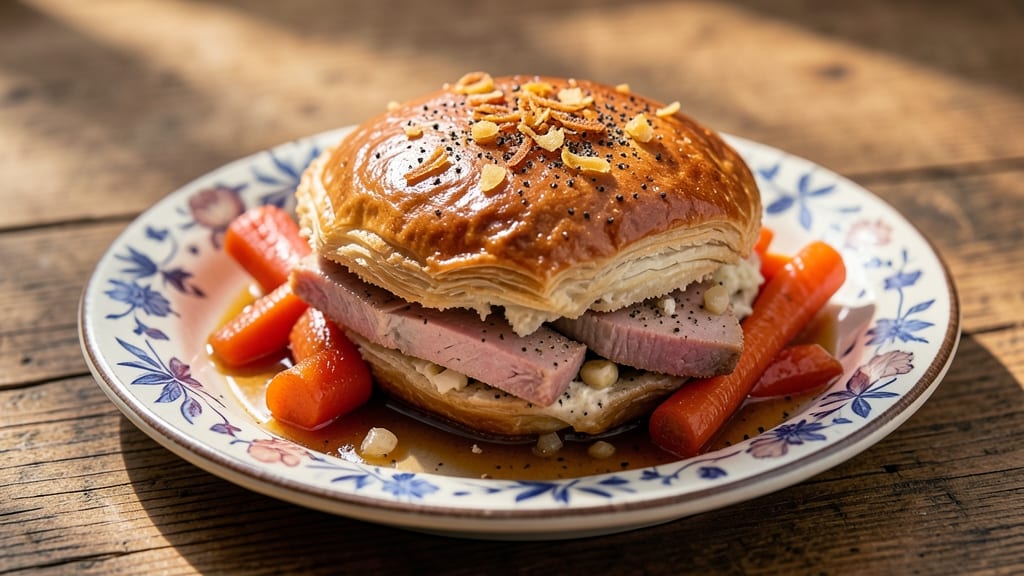
This small pork pie recipe brings British pub comfort into your kitchen with tender pork, rich gravy, and a golden pastry crust that's perfect for handheld indulgence. 💛 After years of perfecting the balance between flaky pastry and rich filling, I've developed a method that delivers restaurant-quality results with just one pie tin.
The secret lies in two key techniques: slow-cooking the pork with aromatic vegetables until it falls apart effortlessly, then blending it with a velvety gravy that keeps every bite moist. Meanwhile, the pastry—a mix of suet and flour—creates that signature crispy yet tender texture that makes these pies irresistible.
This recipe serves two, making it ideal for a cozy lunch or elegant appetizer.
What you'll achieve is a handheld masterpiece with a perfectly golden crust that flakes apart easily, revealing succulent pork swimming in rich gravy. The aroma alone will transport you to a traditional British pub, where these pies have been a staple for generations.
The filling stays tender and flavorful, while the pastry achieves that delicate balance between crisp and flaky.
Perfect for a special occasion or a comforting weeknight treat, these small pork pies are equally impressive served warm or at room temperature. The recipe yields two individual pies, so you can enjoy the full experience without leftovers overwhelming you. Let's create this classic British comfort dish together.
Ingredients for small pork pie
British pub comfort in every bite—tender pork, golden pastry, and velvety gravy.
| Ingredient | Amount | Notes |
|---|---|---|
| Pork Shoulder 🐷 | 1 lb | Bone-in for extra flavor |
| Suet 🧈 | ½ cup | Beef suet preferred |
| All-Purpose Flour 🌾 | 2 cups | For pastry and gravy |
| Carrots 🥕 | 2 medium | Peeled and chopped small |
| Onion 🧅 | 1 medium | Yellow or white, finely chopped |
| Garlic Cloves 🧄 | 3 cloves | Minced for depth of flavor |
| Beef Stock 💧 | 1 ½ cups | Homemade or high-quality |
| Whole Milk 🥛 | ½ cup | For gravy richness |
| Salt 🧂 | 1 ½ tsp | Diamond Crystal preferred |
| Ground Black Pepper 🌶️ | ½ tsp | Freshly ground for best flavor |
| Ground Nutmeg 🌿 | ¼ tsp | Freshly grated for warmth |
| Cold Water 💧 | ½ cup | For pastry mixing |
| Egg 🥚 | 1 whole | For egg wash |
| Butter 🧈 | 2 tbsp | Unsalted for pastry |
The pork shoulder is non-negotiable here—bone-in delivers that deep, rich flavor you crave in traditional pies. Ask your butcher for a well-marbled cut if you're buying whole. For the suet, beef suet is traditional, but lamb works in a pinch. I always grab mine from Whole Foods or the butcher section at Kroger—just make sure it's fresh and firm. The carrots and onion should be finely chopped (about the size of a pea) so they melt into the filling without texture. Freshly minced garlic makes all the difference—don't use the jarred stuff.
No beef stock? Vegetable stock with a splash of Worcestershire sauce works surprisingly well. For the pastry, if you can't find suet, cold butter or shortening will get you close, though the texture won't be quite as tender. The nutmeg is key—it's what gives that classic British warmth. Pre-ground nutmeg loses potency fast, so if you're using it, buy a tiny jar and store it in the freezer. The milk in the gravy is crucial for that silky texture—whole milk is best, but 2% works if that's what you've got. And for the love of pies, don't skip the egg wash—it's what gives you that golden, glossy finish.
This filling keeps beautifully in the fridge for 3 days—perfect for making ahead. The pastry dough can be prepped a day in advance and chilled until ready to use. Once baked, pies reheat best at 350°F for 10-12 minutes, wrapped in foil to keep them moist. They're even better the next day—the flavors meld overnight. Store leftovers in an airtight container, and they'll stay fresh for 4-5 days. Freezing? Wrap tightly in plastic wrap, then foil, and they'll keep for up to 3 months. Just thaw overnight in the fridge before reheating.
Why You'll Love This Recipe
- Minimal Chopping Required: I swear by this—just dice the carrots and onion roughly, no need for fancy knife work. The pork shoulder practically melts in, so you’re not stuck stirring for hours.
- Rich, Rustic Bite: That suet crust? Absolute magic. It’s got a buttery, flaky crunch that holds up to the tender pork inside—like a hug from your grandma’s kitchen.
- Lunchbox Hero: Pack these cold or reheated for work or school. They’re sturdy enough to handle a lunchbox, and the flavors only get better the next day.
- Budget-Friendly Feast: Pork shoulder and basic pantry staples stretch into a whole meal. I make a double batch, freeze half, and still have leftovers for days without breaking the bank.
Step-by-step instructions for small pork pie
Transform humble ingredients into a comforting British classic with these precise techniques.
👨🍳 Step 1: Prepare the Filling with Perfect Texture
In a large skillet, melt the 2 tbsp butter over medium heat. Add the 1 medium chopped onion and 2 medium chopped carrots, cooking for 8-10 minutes until softened and lightly golden. This gentle cooking preserves their natural sweetness while building flavor.
Add the 1 lb pork shoulder, cut into ½-inch cubes, and brown thoroughly on all sides. This step is crucial—it develops the deep, savory base that carries through the pie. Transfer the meat to a plate and set aside.
In the same skillet, add the 3 minced garlic cloves and cook for 30 seconds until fragrant. Stir in 1.5 tsp salt, 0.5 tsp ground black pepper, and 0.25 tsp ground nutmeg, letting the spices toast briefly. Return the pork to the skillet and pour in 1.5 cups beef stock, scraping up any browned bits from the bottom. Simmer for 15 minutes until the liquid reduces by half and the pork is tender.
👨🍳 Step 2: Make the Rich Pastry Dough
In a large bowl, combine the 2 cups all-purpose flour, 0.5 cup suet, and remaining 0.5 tsp salt. Cut the suet into the flour using a pastry cutter or your fingers until the mixture resembles coarse crumbs. This texture is essential—it creates a flaky, melt-in-your-mouth crust.
Add the 0.5 cup cold water and mix gently with a fork until the dough just comes together. Avoid overworking it, or the pastry will toughen. Turn the dough onto a lightly floured surface and knead lightly for 30 seconds until smooth. Wrap in plastic and chill for 30 minutes while you prepare the filling.
🥘 Step 3: Assemble with Precision for Perfect Layers
Roll out ⅔ of the dough to a ⅛-inch thickness on a floured surface to fit your pie dish. Press it gently into the dish, letting it extend slightly up the sides. This creates a sturdy base that won't crack under the filling's weight.
Spread the pork mixture evenly into the crust, mounding it slightly in the center. Roll out the remaining dough to the same thickness and cut into strips. Weave the strips over the filling in a lattice pattern, leaving the center open—this allows steam to escape while keeping the filling moist.
Brush the lattice with beaten 1 whole egg mixed with 1 tbsp water for a golden finish. Fold any excess dough underneath the edges to seal completely. This sealing step prevents leaks and ensures a crisp bottom crust.
🔥 Step 4: Bake to Golden Perfection
Preheat your oven to 375°F. Place the pie on a baking sheet lined with parchment paper to catch any drips. Bake for 45-50 minutes until the crust is deep golden brown and the filling is bubbling through the lattice.
For the final 10 minutes, increase the heat to 400°F to achieve that classic British pub pie crust color. The filling should be tender and the crust crisp enough to stand up to a handheld bite—this is where the magic happens.
Let the pie rest for 15 minutes before serving. This resting period allows the filling to set slightly, making it easier to slice without spilling. Serve warm with a dollop of 0.5 cup whole milk whipped into a quick custard or alongside a simple green salad.
Pro Tips For Making Small Pork Pie
- Blanch Carrots First: I learned this the hard way—raw carrots in pie filling turn to mush. Give them a quick 3-minute boil before dicing, then shock in ice water. They’ll stay crisp and hold their shape through hours of baking, making every bite actually taste like carrot, not glue.
- Trim Suet Like Butter: Suet’s the star of the crust, but don’t just grab whatever’s in the package. Pick through it for pure white fat—skip the yellow bits or gristle. Grate it yourself (yes, it’s tedious) or buy pre-grated, but never use the flaky chunks straight from the block. It’ll clump and make your pastry tough.
- Don’t Overwork the Dough: Mix the suet, flour, and cold water just until it comes together—about 10 strokes max. I used to think more kneading = better texture, but this dough is delicate. Handle it like you’re folding a blanket, not playing dough. Overmixing turns it into a sad, dense brick.
- Brown the Pork First: Skip the raw pork in the filling—it’ll make the pie soggy. Sear the shoulder in a hot pan until deeply browned on all sides before shredding. The crust needs that rich, caramelized flavor to shine, and the meat stays juicy instead of releasing water into the filling. (Your pie’s life depends on this.)
Creative variations of this dish
Classic British Pub
This is the version that put pork pies on the map—tender, juicy pork shoulder with a lattice crust that crackles with every bite. I remember perfecting this at a Charleston pub where the chef swore by slow-cooking the pork until it fell apart.
Use bone-in pork shoulder for maximum flavor, and don't rush the simmering—2 hours low and slow in the oven with a splash of stock transforms tough meat into melt-in-your-mouth perfection. 💛
Herb-Crusted Variation
For a gourmet twist, replace the lattice with a herb-infused crust. Mix 2 tbsp chopped rosemary, 1 tbsp thyme, and 1 tbsp Dijon mustard with 1 tbsp melted butter, then brush it over your rolled-out dough before baking.
The herbs infuse the crust with aromatic depth, while the mustard adds a subtle tang that cuts through the richness. This version pairs beautifully with a sharp cider glaze drizzled on top.
Vegetarian Twist
Swap the pork for mushrooms and lentils to create a hearty vegetarian version. Sauté 1 lb cremini mushrooms and 1 cup cooked brown lentils with the onions and carrots, then season with 1 tsp smoked paprika and ½ tsp thyme.
Add ½ cup vegetable stock instead of beef stock and proceed with the recipe as written. The texture remains satisfying, and the nutmeg still delivers that classic British warmth—just without the meat.
Mini Individual Pies
Transform this recipe into 4 mini pies perfect for appetizers or a party spread. Divide the filling evenly among 4 mini pie tins (3-inch diameter), then roll out the dough to fit each tin. Use ½ of the dough per pie, creating a full crust with no lattice.
Brush with egg wash and bake at 375°F for 25-30 minutes until golden. These bite-sized pies are ideal for gatherings—they disappear fast! Store leftovers in an airtight container for up to 3 days.
Spiced Apple Filling
Add a seasonal twist by incorporating diced apples into the filling. Toss 1 small apple (peeled and diced) with ½ tsp cinnamon and ¼ tsp allspice before adding it to the pork mixture.
The apples soften during baking, adding natural sweetness that balances the savory pork. This variation works especially well in fall and winter, and the apples caramelize beautifully in the oven. 🍏
Make-Ahead Mastery
This recipe is perfect for meal prep. Assemble the pies 1 day ahead and refrigerate uncovered on a wire rack to dry the crust slightly. Bake straight from the fridge, adding 5-10 extra minutes to the baking time.
For freezing, bake the pies fully, then cool completely before wrapping tightly in plastic and foil. They'll keep for up to 3 months—just reheat at 350°F for 15 minutes before serving. I always prep a batch on Sundays for easy lunches all week.
Nutrition facts
Frequently asked questions
Can I use ground pork instead of pork shoulder for this recipe?
Ground pork won't work for this recipe—it lacks the tender texture and rich flavor that comes from slow-cooked pork shoulder. The bone-in shoulder develops deep, savory notes when braised, while ground pork would make the filling too dense. If you're short on time, try pre-cooked pulled pork from your local butcher, but bone-in shoulder is ideal for authentic results.
How do I prevent the pastry from shrinking during baking?
Chill the dough for at least 30 minutes before rolling and assembling—this prevents the suet from melting too quickly. Use a light touch when pressing the dough into the pie dish (don't stretch it), and leave a ½-inch overhang> to fold under. The key is a cool oven start (375°F) to set the pastry before increasing heat for browning.
What's the best way to reheat leftover pork pies?
Wrap the pies in foil and reheat at 350°F for 10-12 minutes—this keeps the filling moist while warming through. For extra crispiness, finish with 2 minutes at 400°F> uncovered. Microwaving is possible (30 seconds), but it makes the crust soggy. The pies actually taste better the next day as flavors meld!
Can I make these pies gluten-free?
Yes, but with adjustments. Replace the all-purpose flour with a 1:1 gluten-free flour blend> (like Bob's Red Mill) and use gluten-free suet> if available. The lattice may be slightly less crisp, but the filling will still be delicious. For extra binding, add 1 tbsp xanthan gum> to the dough. Test small batches first—gluten-free pastry behaves differently.
Why did my pie filling get watery?
This usually happens from overcooking the pork (breaking down too much collagen) or not reducing the stock enough. For next time, simmer the filling until it's thick enough to mound slightly when spooned. If it's already watery, bake the pie longer (cover with foil if needed) to evaporate excess moisture. The nutmeg and pepper help balance any excess liquid.