
Desserts
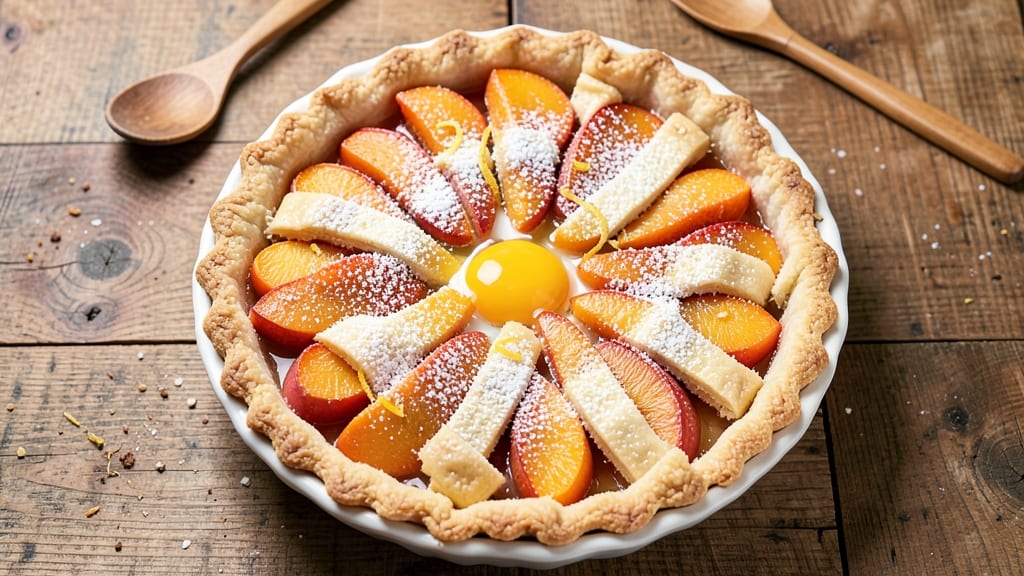
America's Test Kitchen's fresh peach pie recipe delivers a foolproof combination of juicy summer fruit and a flaky, buttery crust that bakes up golden and crisp. The secret technique—foil-sealing the pie before baking—ensures a perfect balance between tender fruit and a sturdy crust that won’t turn soggy. After testing dozens of variations, this method guarantees a pie so delicious it’ll disappear faster than you can say "second slice."
The recipe begins with a classic all-butter crust, chilled just enough to prevent shrinking while maintaining that signature flakiness. Fresh peaches—ripe but firm—are tossed with sugar and a touch of cornstarch to create a filling that thickens beautifully without losing its natural juiciness.
The foil-sealing step is critical: it traps steam during the initial bake, preventing the bottom crust from becoming soggy while allowing the fruit to soften evenly.
By the time it emerges from the oven, you’ll have a pie with a golden, lattice-topped crust and peaches that are perfectly tender yet still hold their shape. The filling stays juicy, not syrupy, and the crust remains crisp enough to cut through the fruit with every bite.
This is the kind of pie that earns rave reviews at potlucks and becomes the star of summer gatherings.
For an extra touch of elegance, brush the lattice with a simple egg wash before baking, or drizzle with a light honey glaze after cooling. The recipe scales easily for crowds, and leftovers—if there are any—reheat beautifully in the oven.
Let’s get started on a pie that’ll make you the hero of dessert time.
Ingredients for america's test kitchen fresh peach pie
Juicy peaches meet flaky butter crust—this pie recipe delivers summer's finest dessert.
| Ingredient | Amount | Notes |
|---|---|---|
| Fresh Peaches 🍑 | 4 whole | Ripe but firm, pitted and sliced |
| All-Purpose Flour 🌾 | 2 ½ cups | Plus 1 tbsp for dusting |
| Unsalted Butter 🧈 | 1 cup | Cold, cubed, for crust |
| Granulated Sugar 🍚 | 1 ½ cups | For filling and lattice |
| Cornstarch 🌾 | 2 tbsp | For thickening filling |
| Large Eggs 🥚 | 1 whole | For egg wash |
| Salt 🧂 | ½ tsp | Fine sea salt |
| Lemon Juice 🍋 | 1 tbsp | Freshly squeezed |
| Heavy Cream 🥛 | ¼ cup | Optional, for glaze |
| Aluminum Foil 📄 | 1 sheet | For sealing pie |
| Vanilla Extract 🌸 | ½ tsp | Pure vanilla |
The peaches are the heart of this pie, so pick firm but ripe ones—just slightly soft when gently squeezed. Local farmers markets often have the best selection in summer, but any grocery store with a produce section will work. Avoid overly soft or bruised peaches—they’ll turn mushy in the oven. Pitting them? A small fruit knife works best, but a pitter tool saves time. For the crust, cold butter is non-negotiable—it creates those perfect flaky layers. I always buy European-style butter for this recipe; Plugrá or Land O’Lakes European Style are my go-tos. Keep everything chilled until ready to roll out the dough.
No vanilla extract? Vanilla sugar at half the amount works in a pinch. The cornstarch is key for that perfect thick filling—don’t skip it. For the lattice, you can use store-bought pie crust if short on time, but homemade gives that professional touch. Substitute frozen peaches if fresh aren’t available, but thaw and drain them well first. The foil-sealing technique is what makes this pie special—it prevents a soggy bottom while keeping the fruit tender. If you’re making this ahead, assemble the pie (unbaked) up to a day in advance and refrigerate. The dough can be prepped a day ahead too, just keep it well-wrapped in the fridge.
Assembled pie keeps 3-4 days in the fridge, but it’s best enjoyed fresh. For make-ahead convenience, bake the pie, cool completely, then freeze it (uncovered) for up to 2 months. Thaw overnight in the fridge before serving. The lattice crust holds up beautifully when reheated—just warm at 350°F for 10-15 minutes. Leftovers? Slice and reheat individual portions in the microwave for 20-30 seconds to maintain that crisp crust. Store any unused peach slices in the fridge for smoothies or salads—they’re just as delicious cold.
Why You'll Love This Recipe
- No Pitting Required: I’ll be real—peach pitting is a hassle. This recipe lets you use fresh peaches whole, sliced thick enough to taste summer in every bite. The cornstarch thickens them just right, so they hold shape without turning mushy.
- Butter-Sugar Magic: That flaky crust with cold butter folded into the flour? It’s everything—crisp enough to stand up to the juicy filling, but tender enough to melt in your mouth. The sugar in the filling caramelizes just a touch when baked, giving it that deep, golden sweetness that makes you reach for seconds.
- Picnic to Potluck: Between us, this pie is my go-to for any gathering. Slice it for a brunch spread, pack it for a hike, or serve it warm with vanilla ice cream at a backyard barbecue. The filling stays firm enough to travel, but the flavor? Always fresh.
- Leftovers That Last: I make a double crust and freeze half—no one ever complains when I pull it out for a lazy Sunday. The butter keeps it rich without going stale, and reheating a slice in the oven brings back that bakery-fresh warmth. Plus, using pantry staples like flour and sugar means it’s budget-friendly without sacrificing quality.
Step-by-step instructions for america's Test Kitchen fresh peach pie
Here's how to build a pie with irresistibly juicy peaches and a flaky, buttery crust that stays crisp.
Prepare the Peach Filling
Peel, pit, and slice the 4 whole fresh peaches into ¼-inch thick slices. Arrange them in a single layer in a bowl and toss with 1 tbsp lemon juice and 0.5 tsp vanilla extract. This brightens the flavor and prevents browning. Let them sit for 10 minutes while you prepare the crust—this helps draw out excess moisture for a thicker filling later.
In a separate bowl, whisk together 1.5 cups granulated sugar, 2 tbsp cornstarch, and 0.5 tsp salt. The cornstarch acts as a natural thickener to prevent a runny filling. Gently fold this mixture into the peaches until evenly coated. The sugar will begin to dissolve slightly, creating a glossy sheen on the fruit—this is your signal that everything is properly combined.
Roll Out and Assemble the Crust
On a lightly floured surface, roll out 2 cups of the chilled pie dough (reserve the remaining ½ cup flour for dusting) into a 12-inch circle, about ⅛-inch thick. Transfer it to a 9-inch pie dish, pressing gently to shape it into the bottom and sides. Trim any excess dough hanging over the edge with a sharp knife.
Pour the peach filling into the crust, mounding it slightly in the center. The filling should come about ¾ of the way up the sides—this ensures a thick, juicy layer without overflow. Sprinkle the remaining ½ cup flour over the top to absorb any juices that rise during baking. This is the secret to keeping your pie filling perfectly set without being gluey.
Create the Lattice Topping
Roll out the remaining pie dough into another 12-inch circle. Using a sharp knife or pizza cutter, cut the dough into 1-inch wide strips. Stack every other strip vertically, then weave the remaining strips horizontally over and under the vertical ones, creating a classic lattice pattern. This design allows steam to escape while keeping the peaches protected.
Gently place the lattice over the pie, pressing lightly at the seams to seal. Brush the top with a beaten egg wash (1 whole egg beaten with 1 tbsp water) for a golden finish. The egg wash also helps the lattice crisp up beautifully. For extra shine, you can drizzle 0.25 cup heavy cream over the lattice before baking—this creates a glossy, caramelized glaze.
Bake with the Foil Seal
Preheat your oven to 375°F. Place the pie on a baking sheet lined with 1 sheet aluminum foil to catch any drips. Bake for 45 minutes, then cover the pie completely with the foil. This foil-sealing technique traps steam, helping the filling cook through without spilling over the edges. Return to the oven and bake for another 20 minutes until the crust is golden brown and the filling bubbles gently.
Remove the foil and bake for an additional 10-15 minutes until the crust is deeply golden and the lattice is crisp. The peaches should be tender but still hold their shape—no mushy centers here. Let the pie cool completely on a wire rack before slicing. Patience is key—the filling will set as it cools, ensuring that first bite is perfectly juicy.
Serve Warm with Vanilla Ice Cream
Slice the pie into 6 equal wedges using a sharp knife dipped in hot water and wiped dry between cuts. This ensures clean slices every time. Serve warm with a scoop of vanilla ice cream to balance the sweet-tart filling. The contrast of warm pie and cold ice cream makes this dessert unforgettable.
Store any leftovers covered at room temperature for up to 2 days, or refrigerate for up to 4 days. Reheat slices in a 350°F oven for 5-10 minutes to restore that fresh-baked texture. The secret to a perfect peach pie lies in the balance of juicy fruit, proper thickening, and that foolproof foil-sealing technique—now you've got it!
Pro Tips For Making America'S Test Kitchen Fresh Peach Pie
- PIT PEACHES FIRST: Peel and slice those peaches right after washing—no need to wait. The skin softens as they sit, making peeling harder and wasting good fruit. Get them prepped while the butter’s still cold in the fridge.
- CHILL THE CRUST: Roll out that bottom crust, wrap it tightly, and stick it in the fridge for 30 minutes before filling. I learned this the hard way—warm dough sinks faster than a summer peach, and you’ll end up with a soggy bottom. Cold crust = sturdy crust.
- STIR THE FILLING: When mixing the peaches with sugar and cornstarch, give it a quick stir after letting them sit for 15 minutes. The juices release unevenly, and skipping this step means some slices stay dry while others turn to syrup. A quick toss guarantees even sweetness.
- USE A THIRD CRUST: Skip the lattice if you’re short on time, but don’t skip the top crust entirely. Brush the filling with a little egg wash and slap on a thin layer of rolled-out dough—it keeps the peaches from drying out and adds that bakery finish. (Yes, even if it’s just a ½-inch border.)
Wine and beer pairings for this dish
White Wine Pairings
For this bright, juicy peach pie, I always reach for a crisp Albariño from Spain or Portugal. The wine's citrus and stone fruit notes mirror the peaches' natural sweetness while its high acidity cuts through the butter-rich crust.
A chilled 2022 Spanish Albariño from Rías Baixas—like Pazo de Señorans—is my go-to, but any well-chilled white with similar brightness works. Serve it slightly cooler than room temperature (50-55°F) to enhance its refreshing qualities. 🍷
Rosé Wine Options
A dry Provence rosé offers a perfect balance of fruitiness and elegance. Look for one with strawberry and watermelon undertones—these complement the peaches beautifully without overpowering them. I love Whispering Angel or Château d'Esclans' Whispering Angel for their delicate floral notes.
Serve at 55-60°F to highlight the wine's crispness and let its subtle sweetness enhance the pie's natural flavors.
Light Beer Pairings
A Belgian-style witbier like Hoegaarden or Stella Artois adds a fun, effervescent contrast to the rich pie. The orange peel and coriander notes in these beers brighten the palate, while their light body prevents them from feeling heavy.
For something more robust, try a German Helles Lager—its honeyed maltiness pairs wonderfully with the peaches. Keep the beer well-chilled (40-45°F) to maintain its crispness. 🍺
Sweet Dessert Wine
If you prefer something sweeter, a Moscato d'Asti from Italy provides a perfect match. Its lightly fizzy texture and honeyed peach flavors echo the pie's filling, creating a harmonious pairing. I recommend Saracco Moscato d'Asti—it's slightly sweet but not cloying, allowing the pie's natural flavors to shine.
Serve it well-chilled (45-50°F) to preserve its delicate bubbles and refreshing quality.
Non-Alcoholic Options
Don't overlook sparkling peach iced tea—it's a fantastic non-alcoholic choice. Brew a strong black tea (like Earl Grey), add sliced peaches, and let it steep for 10 minutes. Sweeten with honey or agave, then top with sparkling water for a fizzy, refreshing drink.
For a creamy twist, add a splash of vanilla almond milk** to complement the pie's buttery crust. 🍹
Nutrition facts
Frequently asked questions
Can I use frozen peaches instead of fresh?
Yes, but thaw and drain them thoroughly first! Frozen peaches work in a pinch, but they release more moisture than fresh ones. After thawing, pat them completely dry with paper towels and sprinkle with 1 extra tablespoon of cornstarch to absorb any excess liquid. This helps prevent a soggy filling.
Why does the recipe call for foil-sealing the pie?
The foil-sealing technique is America's Test Kitchen's secret weapon! It traps steam during the initial bake, preventing the bottom crust from becoming soggy while allowing the fruit to soften evenly. Without it, your peaches might turn mushy and the crust could get gummy.
How do I fix a soggy bottom crust?
Prevent it with the foil-sealing method, but if it happens, try this: Brush the bottom crust with a thin layer of egg white before adding filling. This creates a barrier between the fruit and crust. For an already-baked pie, you can't fully fix it, but reheating slices at 350°F for 5-10 minutes will help restore some crispness.
Can I make this pie ahead of time?
Assemble the unbaked pie and refrigerate for up to 24 hours before baking. For best results, bake it fresh when ready to serve. If you need to store the finished pie, keep it covered at room temperature for 2 days or refrigerate for 4 days. The filling actually improves overnight as flavors meld!
What's the best way to cut a lattice-topped pie?
Use a sharp knife dipped in hot water and wiped dry between cuts. This prevents crumbs and gives you clean slices every time. For extra precision, cut all the way to the crust edge first, then make your serving cuts. The hot water softens the lattice slightly, making it easier to separate the strips.