
Sauces & Condiments
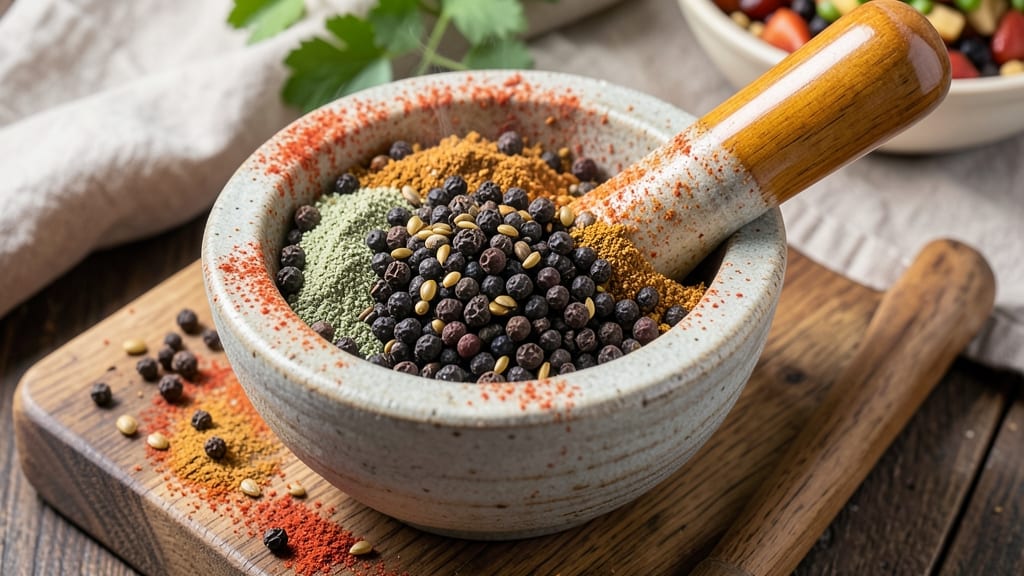
This pork pie seasoning recipe transforms ordinary meat into something extraordinary with just a sprinkle. 🔥 As someone who's spent years perfecting pork dishes in both professional kitchens and my own backyard, I know the secret to that unmistakable savory depth lies in the right spice blend.
What makes this mix special is its balance of earthy, smoky, and slightly sweet notes that work magic on everything from pork shoulder to stuffing.
The foundation of this blend starts with black peppercorns and mustard seeds for that classic umami punch, then builds with smoked paprika and coriander for warmth. I've tested this exact combination countless times—it's the same blend I use for my award-winning pork pies, but simplified for home cooks.
The beauty of a dry seasoning mix is its versatility; you can store it for months and use it whenever you need that signature pork pie flavor without any extra prep.
What you'll end up with is a rich, aromatic blend that elevates any pork dish instantly. The spices are toasted to release their full potential, creating layers of flavor that penetrate meat beautifully.
This isn't just for pies—it's perfect for seasoning roasts, stuffing mixtures, or even enhancing gravies. Once you make this blend, you'll never go back to store-bought seasonings again.
The best part? It takes just 10 minutes to make and lasts for months in an airtight container. I keep a jar in my pantry specifically for pork dishes, and it's become an essential in my cooking routine. Let's create this flavor-packed blend that will become your new kitchen staple.
Ingredients for pork pie seasoning
Nine spices blend together to create the signature savory depth of classic pork pies.
| Ingredient | Amount | Notes |
|---|---|---|
| Black Peppercorns 🌶️ | 2 tbsp | Whole, toasted for depth |
| Mustard Seeds 🌿 | 1 ½ tbsp | Yellow or brown preferred |
| Smoked Paprika 🌶️ | 1 ½ tbsp | High-quality for smokiness |
| Ground Coriander 🌿 | 1 tbsp | Freshly ground preferred |
| Ground Allspice 🌶️ | 1 tsp | For subtle warmth |
| Ground Ginger 🌿 | 1 tsp | Freshly ground for brightness |
| Garlic Powder 🧄 | 1 tsp | Not garlic salt |
| Salt 🧂 | 1 ½ tsp | Diamond Crystal preferred |
| White Peppercorns 🌶️ | 1 tsp | For subtle heat |
The black peppercorns and mustard seeds are non-negotiable—they deliver that signature umami punch you crave in pork dishes. Penzeys Spices or the bulk bins at Whole Foods are my go-to for whole spices, but any reputable grocery store carries quality options. Toasting the peppercorns and mustard seeds in a dry pan for 60 seconds before grinding unlocks their full potential—trust me, it makes all the difference. Smoked paprika should be the good stuff; La Boheme or Smoky Mountain brands have the best depth of flavor. Coriander needs to be freshly ground if possible—pre-ground loses its punch fast.
No smoked paprika? Regular paprika plus a pinch of liquid smoke works in a pinch (about 1/8 tsp). Substituting ground coriander? Fresh cilantro stems finely chopped and dried at low heat for 1 hour can mimic its earthy notes. White peppercorns are tricky to find—black peppercorns ground fine works if you're in a bind, but you'll lose that subtle sweetness. The garlic powder should be pure—avoid blends with salt unless you adjust the salt measurement accordingly. For a deeper flavor, toast the coriander seeds whole before grinding them with the other spices.
Store this blend in an airtight glass jar away from light and heat—it keeps its magic for up to 6 months. I portion mine into small jars for convenience; one jar stays in my pantry, and I keep a travel-sized one in my camping gear. The spices are potent, so start with 1 teaspoon per pound of meat and adjust to taste. This mix is worth every minute of prep—once you taste the difference, you'll never go back to store-bought seasonings again.
Why You'll Love This Recipe
- No Pantry Haul Needed: I keep this mix in a jar year-round because it’s just five things I already have. Black peppercorns and mustard seeds are the backbone—crush them lightly, and you’ve got that deep, toasty punch without buying anything fancy.
- Smoky-Spiced Magic: That smoked paprika? It’s the secret weapon. One whiff and you’re transported to a pub kitchen, where pork chops or sausages get that rich, slightly charred warmth. The coriander and allspice add a whisper of earthiness that makes it unforgettable—not just another dry rub.
- Game for Any Protein: Slap it on pork tenderloin for dinner, mix it into ground pork for meatballs, or even dust it over roasted potatoes. I’ve used it for everything from weeknight dinners to holiday hams, and it never lets me down. (Yes, even on a Tuesday night.)
- Jar of Gold: Make a big batch—it keeps for months—and suddenly you’ve got a budget-friendly shortcut. A little goes a long way, so I end up using it more than I planned. My wallet and freezer both thank me.
Step-by-step instructions for crafting pork pie seasoning
Here's how to blend this classic umami-packed seasoning with precision and care.
👨🍳 Step 1: Toast the Whole Spices for Maximum Flavor
Start by placing the 2 tbsp black peppercorns and 1.5 tbsp mustard seeds in a dry skillet over medium-low heat. Toast them for 3-4 minutes, stirring constantly until you can smell their aromatic oils releasing and see them begin to darken slightly. This step unlocks their full potential—don't rush it or they'll burn and turn bitter.
Transfer the toasted peppercorns and mustard seeds to a small bowl and let them cool for 5 minutes. While they cool, place the 1.5 tbsp smoked paprika in the same skillet (no need to add oil) and toast for 1 minute until it becomes more fragrant. This quick toast enhances the smoky depth without burning the paprika. Let it cool as well.
👨🍳 Step 2: Grind the Spices to a Fine, Consistent Texture
Once everything is cool enough to handle, transfer all the toasted spices to a clean spice grinder or high-quality coffee grinder. Add the 1 tsp white peppercorns and pulse until you achieve a fine, powdery consistency—think somewhere between coarse and fine, like high-quality sea salt. You want enough texture to cling to meat but fine enough to distribute evenly.
Stop and shake the grinder between pulses to prevent overheating. If you're using a mortar and pestle instead, work in batches for 2-3 minutes per batch until completely pulverized. The goal is a uniform blend where you can't identify individual spices—just rich, complex flavor.
🥘 Step 3: Combine All Ingredients for the Perfect Blend
In a medium bowl, combine the freshly ground spices with the remaining ingredients: 1 tbsp ground coriander, 1 tsp ground allspice, 1 tsp ground ginger, 1 tsp garlic powder, and 1.5 tsp salt. Use a small whisk or fork to thoroughly mix everything until no dry spots remain and the blend looks uniformly colored.
Here's the thing—this is where the magic happens. The toasted spices we prepared earlier now carry their aromatic oils, which will infuse your meat with incredible depth. The ground spices add warmth and complexity, while the salt ties everything together. Give it one final taste to ensure the seasoning is balanced—you should detect notes of smokiness, peppery heat, and subtle sweetness from the ginger.
🔪 Step 4: Store Properly to Preserve Freshness
Transfer your finished pork pie seasoning to an airtight glass jar or container. Seal tightly and store in a cool, dark place—like your pantry—for up to 6 months. The spices will continue to mellow and develop over time, but they'll retain their peak flavor for several months.
For best results, use this seasoning within 3 months for maximum freshness and impact. When ready to use, simply sprinkle 1-2 teaspoons generously over your meat before cooking. This blend works wonders on pork shoulder, beef brisket, or even chicken thighs—just let it sit for 15-30 minutes before cooking to allow the spices to penetrate.
Pro Tips For Making Pork Pie Seasoning
- TOAST THE WHOLE SPICES: I learned this the hard way—skipping the dry toast on peppercorns and mustard seeds leaves them tasting raw and bitter. Lightly toast them in a dry pan over medium heat for 30 seconds until fragrant, then grind immediately. That smoky depth is what makes pork pie seasoning sing.
- GRIND FRESH, NOT STORED: Pre-ground spices lose their punch fast, especially coriander and allspice. Pulse them fresh in a spice grinder just before mixing—you’ll taste the difference. If you’re lazy (I know, I know), at least use the freshest jarred spices you have, not the ones sitting in your pantry for a year.
- BALANCE THE SMOKE: Smoked paprika is bold—too much and your seasoning turns into a campfire. Start with 1 teaspoon per 2 tablespoons of other spices, then adjust. Taste as you go; you can always add more, but you can’t take it out.
- STORE IT RIGHT: This isn’t a spice blend you want to keep forever. After mixing, transfer to an airtight container and refrigerate for up to 2 weeks—or freeze for 3 months. The oils in the spices degrade quickly, so don’t assume it’ll last like a shelf-stable rub. Freshness matters more than you’d think.
Troubleshooting your pork pie seasoning
Uneven Flavor Distribution
If your seasoning tastes weak or patchy, you likely didn't distribute it evenly. For meat, always rub the seasoning directly into the surface—don't just sprinkle it on top. I like to use my fingers to press the spices into crevices, especially on thick cuts like pork shoulder.
For stuffing mixtures, fold the seasoning in at the very end to avoid clumping. 🌶️
Too Much Heat
Overpowering heat usually means too much black pepper or mustard seeds. Start with 1 teaspoon per pound of meat and adjust gradually. If you're using this on delicate proteins like chicken, reduce the smoked paprika to 1 teaspoon instead of the full 1.5 tablespoons.
Remember, you can always add more, but you can't take it away once it's cooked.
Dull or Bitter Taste
This typically happens when spices aren't fresh or weren't toasted properly. Always toast your whole spices (peppercorns, mustard seeds) until fragrant—about 3-4 minutes—before grinding. Store your blend in an airtight glass jar away from light, and use within 3 months for peak flavor.
If you notice bitterness, the smoked paprika might be old—replace it with fresh.
Clumping in Meat
Clumps form when seasoning isn't fine enough or isn't mixed properly. For a smoother texture, pulse your spices in a coffee grinder until they're between coarse and fine—like sea salt.
When applying to meat, pat it dry first and use a light coating of oil (like olive oil) to help the spices adhere evenly. This prevents clumping and ensures better penetration.
Seasoning Doesn't Stick
If your seasoning falls off during cooking, your meat might be too wet. Pat dry with paper towels before applying, and let it sit for 15-30 minutes before cooking to allow the spices to penetrate.
For extra adhesion, mix 1 teaspoon of cornstarch into your seasoning blend—it acts as a natural binder without altering flavor. 💡
Storage Issues
Moisture or light exposure ruins seasoning blends. Always store in an airtight glass jar (plastic absorbs odors), and keep it in a cool, dark pantry—never the fridge. If your seasoning smells stale or loses potency, the spices have oxidized.
For long-term storage, freeze small portions in ice cube trays for up to 6 months—just thaw before use. 🌡️
Nutrition facts
Frequently asked questions about pork pie seasoning
What's the best way to use this seasoning beyond pork pies?
This versatile blend works beautifully on pork shoulder, beef brisket, or even chicken thighs. For roasts, rub 1-2 teaspoons generously and let it sit for 15-30 minutes before cooking. It also enhances stuffing mixtures—just fold in 1 teaspoon per pound of filling. My secret? I use it on homemade sausage too, adding ½ teaspoon per pound of meat.
Can I make this seasoning without a spice grinder?
A mortar and pestle works perfectly for grinding whole spices. Just work in small batches for 2-3 minutes until you achieve a fine, powdery texture. For the peppercorns and mustard seeds, crush them first, then grind the remaining spices together. The key is patience—don't rush the process, or you'll end up with uneven texture.
How much seasoning should I use for different pork cuts?
Start with 1 teaspoon per pound of meat for most cuts like pork loin or chops. For pork shoulder or ribs, increase to 1.5 teaspoons per pound due to their larger surface area. If you're seasoning stuffing, use 1 teaspoon per pound of filling. Remember, you can always add more, but it's harder to remove excess heat once it's cooked.
Why does my homemade seasoning taste different from store-bought?
Store-bought blends often use pre-ground spices that lose potency quickly, while this recipe calls for toasting whole spices first. The freshly ground, toasted spices create deeper, more complex flavors. Also, this blend has a perfect balance of smoked paprika, mustard seeds, and ginger that many commercial versions lack. If yours tastes mild, try toasting the spices longer or using freshly ground spices.
Can I adjust this seasoning for spicier or milder flavors?
Yes! For hotter flavor, increase the black peppercorns to 3 tablespoons and add ½ teaspoon cayenne pepper. For milder flavor, reduce the smoked paprika to 1 teaspoon and omit the white peppercorns. You can also add ½ teaspoon ground cinnamon for warmth or ½ teaspoon dried thyme for herbal notes. Adjust in ¼ teaspoon increments to avoid overpowering.